



How to Accurately Value Custom Parts in Motorcycle Total Loss Claims?
For over two decades in the auto insurance industry, specializing in motorcycle coverage, I’ve witnessed a heartbreaking scenario unfold countless times: a rider’s custom-built dream bike is totaled, only for their insurance payout to fall woefully short of its true value. It’s not just about the monetary loss; it’s about the passion, the countless hours, and the unique identity poured into every modification. The sting of losing your prized possession is amplified when you realize the insurance company isn't seeing the full picture of your investment.
The core problem lies in the standard valuation methods insurers use. These systems are primarily designed for stock vehicles, often overlooking the intricate, often expensive, world of aftermarket parts, bespoke fabrication, and custom paint jobs. Riders, understandably, often assume their comprehensive policy covers everything, only to discover too late that their custom exhaust, performance engine mods, or hand-tooled leather seat are barely acknowledged, if at all. This oversight can lead to thousands of dollars in uncompensated losses, leaving riders frustrated and disillusioned.
This article isn't just a guide; it's a battle plan. I'm going to walk you through the precise, actionable strategies I've advised clients on for years to ensure their custom motorcycle parts are accurately valued in total loss claims. We'll cover everything from meticulous pre-loss documentation and understanding your policy's nuances to navigating the claims process and even challenging an adjuster’s valuation. By the end, you'll possess the knowledge and frameworks to protect your investment and secure the compensation you truly deserve.
The Harsh Reality: Why Custom Parts Get Undervalued
Let's be blunt: insurance companies are businesses, and their primary goal is to assess risk and pay out claims according to policy terms, often with an eye on cost efficiency. When it comes to custom motorcycles, this approach frequently clashes with the reality of a rider's investment. The standard Actual Cash Value (ACV) method, common in many policies, determines a vehicle's value based on its replacement cost minus depreciation. For a stock bike, this is relatively straightforward, relying on market data for comparable vehicles.
However, custom parts don't fit neatly into these algorithms. A custom exhaust system costing thousands might be viewed by an adjuster as merely an "aftermarket accessory," with little consideration for its brand, performance enhancement, or the skilled labor involved in its installation. Furthermore, the unique, one-off nature of many customizations means there's no "blue book" value to reference. This lack of standardized valuation data often leads adjusters to either undervalue or completely overlook these modifications, resulting in a payout that leaves a significant gap between what you receive and what you've truly lost.
I've seen countless cases where a rider, proud of their unique build, assumes their "full coverage" means full protection for every component. Unfortunately, without specific endorsements or proactive measures, many standard policies offer only limited, if any, coverage for custom parts and equipment (CPE). This is a critical distinction that many riders only discover post-loss, when it's often too late to rectify. Understanding this fundamental disconnect is the first step in arming yourself for a successful claim.

Proactive Documentation: Your First Line of Defense
In the world of insurance claims, evidence is king. When dealing with custom parts, the burden of proof for their existence and value falls squarely on you, the policyholder. This is where meticulous, proactive documentation becomes your most powerful tool. I cannot stress enough how vital this step is; it’s the bedrock upon which any successful claim for custom parts is built.
Building Your Custom Parts Portfolio
Think of this as creating an irrefutable "resume" for your motorcycle's custom components. It needs to be comprehensive, organized, and easily accessible. Here’s what I recommend:
- Itemized List: Create a detailed spreadsheet or document listing every single custom part and modification. Include the part name, manufacturer, model number, date of purchase, and original cost.
- Receipts and Invoices: Keep original receipts or high-quality digital copies for *every* custom part purchased. This includes parts, accessories, and even specialized tools if they were integral to the customization process.
- Installation Records: If professional shops installed parts, retain all service records and invoices. These document labor costs, which are often significant and frequently overlooked.
- Photographic Evidence: Take high-resolution photos and videos of your motorcycle from all angles, showcasing every custom part. Include close-ups of specific modifications. Do this regularly – before and after new parts are added, and at least annually. Date-stamped photos are ideal.
- Professional Appraisals: For truly unique or high-value builds, a professional appraisal from a certified motorcycle appraiser is invaluable. This provides an independent, expert valuation that carries significant weight with insurers.
- Magazine Features/Build Sheets: If your bike has been featured in a magazine or documented by a custom builder, include these as they lend credibility to its unique status and value.
Maintaining this portfolio digitally, perhaps in a cloud storage service, ensures it's safe from physical damage or loss. This proactive approach transforms a potentially contentious claim into a clear-cut presentation of your investment.
The Power of Professional Appraisals
For custom motorcycles, especially those with extensive or unique modifications, a professional appraisal isn't just an option; it's often a necessity. An independent, certified appraiser understands the nuances of the custom market, the value of skilled labor, and the specific appeal of unique builds — knowledge that a standard insurance adjuster might lack. They can assess the quality of workmanship, the rarity of parts, and the overall aesthetic and performance enhancements, providing a comprehensive valuation report.
"An independent appraisal acts as an objective third-party assessment, removing much of the guesswork and potential for undervaluation from the insurance company's side. It's a proactive investment that often pays for itself many times over in a total loss scenario."
When selecting an appraiser, ensure they specialize in motorcycles and have experience with custom builds. Their report should be detailed, include photographic evidence, and explain their valuation methodology. Presenting this report to your insurer *before* a claim even arises, and ensuring it's on file, can significantly streamline the valuation process if disaster strikes. For instance, reputable sources like the Insurance Information Institute often recommend thorough documentation as a key step in any total loss claim, a principle that applies even more so to custom vehicles.
Understanding Your Policy: Endorsements and Agreed Value
Many riders make the mistake of assuming their standard motorcycle insurance policy automatically covers the full value of their custom modifications. This is a dangerous assumption that can lead to significant financial loss. The truth is, standard policies often have very limited, if any, coverage for custom parts and equipment (CPE) unless specifically added through endorsements or an "agreed value" policy. This is where your deep dive into your policy documents becomes crucial.
Custom Parts and Equipment (CPE) Coverage
Most insurers offer specific endorsements or riders that can be added to your policy to cover custom parts. This is often called "Custom Parts and Equipment" (CPE) coverage. It allows you to specify a dollar amount of additional coverage for your modifications, beyond the stock value of the bike. For example, if your policy provides $3,000 in standard CPE coverage, but you've invested $10,000 in custom work, you'd need to purchase an additional $7,000 in CPE coverage. I always advise clients to list out every custom part and its cost, then review this with their agent to ensure the CPE limit is adequate.
It’s not just about the monetary limit; understand what types of modifications are covered. Some policies might exclude certain performance enhancements or cosmetic changes. Always clarify with your agent what falls under "custom parts" for your specific policy. This proactive conversation is far better than a reactive dispute after a total loss. Mastering how to accurately value custom parts in motorcycle total loss claims starts with understanding your insurance policy's specific language and provisions for modifications.
Agreed Value vs. Actual Cash Value
This is arguably the most critical distinction for custom motorcycle owners. Most standard policies use an Actual Cash Value (ACV) method, which pays out the replacement cost minus depreciation. For a custom bike, ACV can be devastating, as depreciation can significantly reduce the payout, and custom work itself often doesn't depreciate in the same way as a stock vehicle.
An Agreed Value policy, on the other hand, means you and the insurer agree on a specific value for your motorcycle *before* the policy is issued. In the event of a total loss, the insurer pays that agreed-upon amount, regardless of market fluctuations or depreciation. This is the gold standard for custom bikes, classic motorcycles, or any vehicle where the market value doesn't reflect its true worth to the owner. It often requires a professional appraisal upfront, but the peace of mind and financial security it offers are unparalleled. I've seen clients with agreed value policies walk away from total losses with their investment fully protected, while those with ACV struggled to recover a fraction of their custom build's worth. For more information on policy types, the National Association of Insurance Commissioners (NAIC) provides excellent consumer resources.
| Coverage Type | Valuation Method | Pros for Custom Bikes | Cons for Custom Bikes |
|---|---|---|---|
| Actual Cash Value (ACV) | Replacement Cost - Depreciation | Lower Premiums | Significant undervaluation risk, doesn't account for unique custom work |
| Agreed Value | Pre-determined fixed amount | Guaranteed payout, full value for custom work | Higher premiums, requires professional appraisal |
The Claim Process: Navigating the Valuation Minefield
Even with meticulous documentation and the right policy, the claims process itself can be a minefield. Insurance adjusters are trained to evaluate claims efficiently, and while most are fair, they may not possess the specialized knowledge required to accurately assess unique custom work. Your role here is to educate them and advocate for your claim with confidence and comprehensive evidence.
Communicating Effectively with Adjusters
When you file your claim, immediately inform the adjuster that your motorcycle has significant custom modifications. Do not wait for them to discover this. Be polite but firm in your communication. Provide them with your meticulously prepared custom parts portfolio (receipts, photos, appraisal) upfront. Don't just hand it over; walk them through it, highlighting key components and their value. Frame your discussions around the factual evidence you've compiled, rather than emotional appeals.
If the initial offer seems low, ask for a detailed breakdown of their valuation. Specifically inquire how they valued each custom part. Often, you'll find they've either assigned a generic value or overlooked items entirely. This is your opportunity to politely challenge their assessment with your documentation. Remember, the adjuster is looking for data to justify a payout; your job is to provide that data in an irrefutable format.
Presenting Your Evidence: Beyond Just Receipts
While receipts are crucial, your evidence package should tell a complete story. Beyond the raw numbers, include:
- Before-and-After Photos: Visually demonstrate the transformation and the effort involved.
- Expert Opinions: If you had a custom builder, ask them for a letter detailing the work performed and its quality.
- Market Research: Find examples of similarly customized motorcycles for sale online or at auction. While not direct comparisons, they can help establish a general market trend for highly modified bikes. This can be especially useful for proving the "appeal" of custom work.
- Labor Cost Breakdown: If you have invoices from custom shops, these clearly show the cost of skilled labor, which can be a substantial portion of your investment.
I advise clients to create a concise summary document that acts as an executive brief for their entire custom parts portfolio. This allows the adjuster to quickly grasp the scope of your investment before diving into the granular details. Being organized and prepared shows you mean business and understand the value of your custom build.
Calculating Fair Market Value for Customizations
One of the trickiest aspects of valuing custom parts is moving beyond the initial purchase price to determine their "fair market value" within the context of a total loss. This isn't always a simple equation of adding up receipts. Factors like depreciation and the value of skilled labor play a significant role.
Depreciation: The Unavoidable Factor
Even custom parts are subject to some form of depreciation. A chrome exhaust system bought five years ago, even if perfectly maintained, will not command the same "new" price today. However, custom parts often depreciate at a different rate than stock parts, and some unique, high-quality fabrications might even appreciate or hold their value exceptionally well within niche markets. The key is to argue for a depreciation rate that accurately reflects the custom market, not just a generic automotive depreciation schedule.
This is where your professional appraisal becomes invaluable. An appraiser can factor in the condition of the parts, their rarity, the quality of installation, and market demand for similar custom work to provide a more nuanced depreciation assessment. Without this expert input, adjusters often apply standard depreciation rates that unfairly penalize custom builds. I've seen this lead to significant discrepancies in payouts, underscoring the need for specialized valuation.
Labor Costs: Often Overlooked, Always Crucial
The cost of parts is one thing, but the skilled labor involved in custom fabrication, painting, and installation can easily equal or exceed the cost of the parts themselves. Yet, this is an area frequently overlooked or undervalued by insurance adjusters. If you paid a custom shop hundreds of hours for a bespoke paint job or intricate engine work, those labor costs represent a tangible investment in your motorcycle's value.
Ensure you have detailed invoices for all labor. These should clearly outline the hourly rate, the number of hours spent, and a description of the work performed. If you did some of the work yourself, while it's harder to claim monetary value for your own time, documenting the processes with photos and descriptions of specialized tools used can still contribute to demonstrating the overall quality and uniqueness of the build. The more thoroughly you document the *work* involved, not just the *parts*, the stronger your position will be. This insight is also echoed by legal experts like those at Nolo.com, who emphasize documenting all aspects of damage and repair costs.
When to Seek Professional Help: Legal and Independent Appraisals
Despite your best efforts and meticulous documentation, there might come a point where you reach an impasse with your insurance company. This is not the time to give up. There are professional avenues available to help you advocate for the true value of your custom motorcycle.
Independent Motorcycle Appraisers
As mentioned earlier, a professional, independent motorcycle appraisal is a powerful tool. If you didn't get one before the loss, it's not too late. After a total loss, an appraiser can still assess the pre-loss condition and value of your custom parts, often by reviewing your documentation, photos, and even inspecting the damaged motorcycle if possible. Their report serves as an unbiased, expert opinion that can directly counter an insurer's lowball offer. Many appraisers also have experience testifying or mediating in insurance disputes, lending further weight to their findings.
I've advised many clients to invest in a post-loss appraisal when faced with a significantly undervalued claim. The cost of such an appraisal is often a small fraction of the potential increase in your payout, making it a worthwhile investment. Always choose an appraiser certified by a recognized body and with a strong track record in custom vehicle valuations.
Legal Counsel: Your Advocate in a Dispute
If all other avenues fail, and you believe your insurance company is acting in bad faith or severely underpaying your claim, consulting with a legal professional specializing in insurance law is a crucial step. An attorney can review your policy, your documentation, the insurer's offer, and advise you on your legal options. They can negotiate on your behalf, send demand letters, and, if necessary, pursue litigation. While going to court is a last resort, the mere presence of legal counsel can often prompt insurers to reassess their position and offer a more equitable settlement.
Remember, insurance policies are legal contracts, and you have rights as a policyholder. A lawyer can ensure those rights are upheld. While it's an additional cost, the potential for recovering tens of thousands of dollars more in your claim often justifies the expense. For broader advice on managing insurance claims, reputable financial news sources like Forbes Advisor frequently cover strategies for dealing with total loss scenarios.
Case Study: David's Custom Chopper Claim
Case Study: How David Recovered Full Value for His Custom Chopper
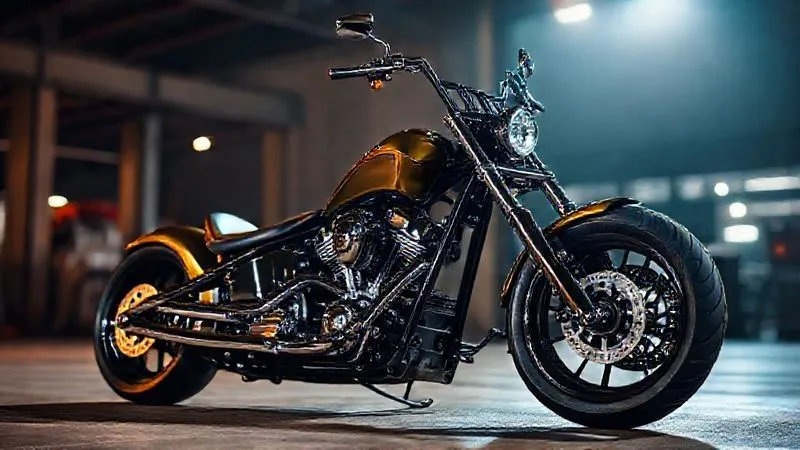
David, a client I worked with, owned a meticulously customized chopper. He had invested over $30,000 in aftermarket parts, custom fabrication, and a unique airbrush paint job on a bike that, stock, was valued at $15,000. Unfortunately, his bike was totaled in an accident. His initial insurance offer, based on ACV, was a mere $18,000, barely covering the stock value plus a minimal allowance for "accessories."
David had followed my advice: he had a comprehensive custom parts portfolio including every receipt, over 100 high-resolution photos documenting the build process, and, crucially, a professional appraisal from a certified motorcycle appraiser conducted six months prior, valuing the bike at $45,000. He also had an Agreed Value policy for $45,000.
When the initial lowball offer came, David calmly presented his full documentation package and reminded the adjuster of his Agreed Value policy. He pointed to the professional appraisal and cross-referenced it with his detailed receipts for parts and labor. The adjuster initially pushed back, citing internal valuation metrics, but David stood firm, backed by his ironclad documentation and policy terms. Within two weeks, after a brief review by a senior claims manager, the insurer honored the Agreed Value policy. David received a payout of $45,000, fully compensating him for his investment and passion. This resulted in him being able to begin a new custom build project without significant financial strain, a testament to proactive planning.
Frequently Asked Questions (FAQ)
Q: What if I installed the custom parts myself and don't have labor receipts? A: While claiming your own labor is difficult, thoroughly document the parts purchased (with receipts), take extensive photos of the installation process, and list any specialized tools you had to acquire. If possible, get a qualified mechanic or appraiser to vouch for the quality of your work. The focus will shift to the value of the parts and the quality of the finished product, rather than your hourly rate.
Q: Can custom parts increase my insurance premiums? A: Yes, adding Custom Parts and Equipment (CPE) coverage or opting for an Agreed Value policy will typically increase your premiums. However, this increase is a small investment compared to the potential financial loss if your custom bike is totaled without adequate coverage. It's about protecting a significant investment.
Q: My custom parts are old. Do they still have value? A: Absolutely. While they may depreciate, unique or rare vintage custom parts can even appreciate in value, especially if they are well-maintained or from a renowned builder. Your documentation and a professional appraisal will be key to demonstrating this value to your insurer, arguing against standard depreciation schedules.
Q: What if my insurer refuses to accept my appraisal? A: If your insurer dismisses a legitimate professional appraisal, first ask for their specific reasons in writing. This creates a paper trail. Then, you can engage an attorney, appeal to your state's department of insurance, or consider invoking an appraisal clause in your policy (if it exists), which allows for a third-party umpire to settle disputes.
Q: Should I update my custom parts documentation regularly? A: Absolutely. Treat it as a living document. Every time you add a new part, make a significant modification, or even just annually, update your itemized list, photos, and receipts. This ensures your documentation is always current and reflects the true, evolving value of your custom motorcycle.
Key Takeaways and Final Thoughts
Navigating a total loss claim for a custom motorcycle can feel like an uphill battle, especially when your passion and investment are on the line. But as an industry specialist, I've seen firsthand that with the right preparation and knowledge, you can absolutely secure a fair and accurate valuation for your custom parts. It all boils down to proactive planning and diligent advocacy.
- Document Everything: Your custom parts portfolio (receipts, photos, appraisals) is your most powerful asset.
- Understand Your Policy: Don't assume. Confirm CPE coverage and consider an Agreed Value policy.
- Communicate & Educate: Guide your adjuster through your documentation, explaining the value of each modification.
- Fight for Fair Value: Be prepared to challenge low offers with evidence, and don't hesitate to seek independent appraisal or legal counsel if necessary.
Your custom motorcycle isn't just a vehicle; it's an extension of your personality, a testament to craftsmanship, and a significant investment. Don't let a total loss claim diminish its true worth. By following the strategies I've outlined, you'll be well-equipped to protect that investment and ensure that your passion is respected and compensated fairly. Ride safe, and ride smart – knowing your custom dream is truly covered.
Recommended Reading
- Evacuation Denied? 7 Steps When Employee's Non-Medical Claim Fails
- 7 Ways to Advise Clients on Annuity Principal Protection Amidst Inflation
- 7 Pro Strategies: Mitigate RV Rental Liability in Peer-to-Peer
- 5 Expert Steps: How to Resolve Ambiguous Policy Wording Claim Disputes
- Accused of Negligence? 7 Steps to Protect Your Professional Reputation





Your email address will not be published. Required fields are marked *