



How to Appeal a Denied GAP Insurance Claim for a Client?
For over two decades in the auto insurance industry, I’ve witnessed firsthand the profound frustration and financial distress clients experience when their GAP insurance claim is denied. It’s a moment of despair, often coming after the trauma of a total loss, leaving them feeling abandoned and facing a significant financial burden they thought was covered.
The pain point is palpable: clients purchase GAP insurance for peace of mind, believing it will protect them from owing money on a totaled vehicle. When that safety net fails, it’s not just a denied claim; it's a breach of trust and a direct hit to their financial stability, often leaving them with a loan balance they can't afford to pay.
In this definitive guide, I will share my expert framework and actionable strategies on how to appeal a denied GAP insurance claim for a client. We’ll delve into the common pitfalls, equip you with a step-by-step appeal process, and provide insights to not only challenge denials effectively but also to proactively educate your clients for future success. This isn't just theory; it's a roadmap built on years of hands-on experience and successful client advocacy.
Understanding the Core of GAP Insurance and Denials
What is GAP Insurance?
GAP, or Guaranteed Asset Protection, insurance is designed to cover the 'gap' between the actual cash value (ACV) of your vehicle and the amount you still owe on your auto loan or lease, in the event of a total loss or theft. While seemingly straightforward, the devil is often in the details of the policy wording.
Common Reasons for Claim Denials
Understanding why a GAP claim might be denied is the first critical step in building a successful appeal. I've seen a range of reasons, but some stand out consistently:
- Policy Exclusions: Many policies have specific exclusions, such as exceeding mileage limits, certain vehicle modifications, or if the loss occurred outside the policy's geographical scope.
- Timing of Loss: If the total loss occurred before the GAP policy was officially in effect or after it expired.
- Vehicle Type: Some GAP policies exclude certain types of vehicles, like commercial vehicles, motorcycles, or recreational vehicles.
- Loan Terms Violations: If the loan was refinanced without notifying the GAP insurer, or if the loan term exceeded the maximum allowed by the GAP policy.
- Outstanding Balance Discrepancies: The insurer might dispute the actual loan balance, often due to charges like extended warranties, service contracts, or negative equity rolled into the original loan, which may not be covered by the GAP policy.
- Insufficient Primary Insurance Payout: If the primary insurer's ACV payout is deemed too low, and the GAP insurer believes the client didn't adequately pursue the maximum ACV.
- Lack of Timely Notification: Failing to report the total loss to the GAP insurer within the specified timeframe.
Each of these reasons, while seemingly clear-cut, often has nuances that can be challenged. It's about meticulously dissecting the denial letter against the policy document.

Immediate Post-Denial Steps: The Crucial First 48 Hours
When a client informs you of a denied GAP claim, time is of the essence. Your immediate actions can significantly impact the success of an appeal.
Reviewing the Denial Letter Thoroughly
This is your blueprint. The denial letter isn't just bad news; it's a legal document outlining the insurer's specific reasons for denial, often citing policy clauses. Do not skim it. Read every word, highlight the specific reasons, and cross-reference them with the client's actual policy document.
Gathering All Relevant Documentation
A strong appeal is built on a foundation of irrefutable evidence. I always advise clients to gather everything related to the vehicle and the loss. Here’s a checklist:
- The GAP Insurance Policy: The complete document, including declarations page, terms, and conditions.
- Original Loan/Lease Agreement: Showing the initial loan amount, terms, and any add-ons.
- Loan Payoff Statement: A current, official statement from the lender showing the exact outstanding balance on the date of loss.
- Primary Auto Insurance Policy: The full policy document covering the total loss.
- Primary Insurer's Settlement Offer/Payout Letter: Detailing their ACV calculation and the amount paid.
- Vehicle Title and Registration: Proof of ownership.
- Accident Report/Police Report: If applicable.
- Any Communication Records: Emails, call logs, letters between the client, primary insurer, lender, and GAP insurer.
The more organized and complete your documentation, the stronger your position. According to a National Association of Insurance Commissioners (NAIC) report, a significant percentage of insurance disputes are resolved in favor of consumers who provide comprehensive documentation.
Building Your Appeal: A Strategic Framework
Identifying Discrepancies and Errors
Once you have all documents, the real detective work begins. Compare the denial reasons from the GAP insurer with your client's policy and the facts of the case. Look for:
- Misinterpretation of Policy Language: Does the insurer's interpretation of a clause truly align with the policy's written terms?
- Factual Errors: Did the insurer make a mistake about the date of loss, loan balance, or vehicle details?
- Uncovered Charges: Are they denying coverage for certain charges (e.g., extended warranty, negative equity) that are, in fact, explicitly covered or not explicitly excluded by the policy?
- ACV Discrepancy: Is there a legitimate argument that the primary insurer's ACV was too low, and could this impact the GAP payout?
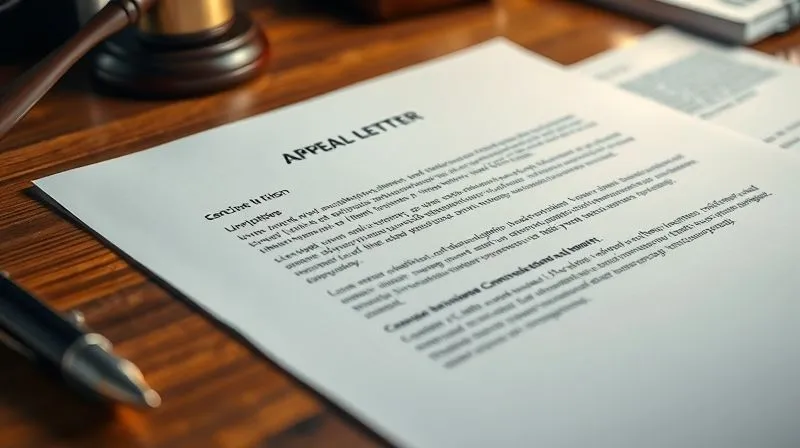
Crafting a Compelling Appeal Letter
This is your client's voice, amplified by your expertise. The appeal letter must be professional, factual, and persuasive. Here’s how I structure them:
- Clearly State Intent: Begin by stating it’s an appeal of a denied GAP claim, referencing the claim number and date of denial.
- Summarize the Issue: Briefly explain the vehicle, date of loss, and the original loan amount.
- Address Each Denial Reason: Systematically refute each reason provided by the insurer, using specific policy language, factual evidence, and supporting documents.
- Provide Evidence: Attach copies (never originals) of all supporting documents, clearly referencing them in the letter.
- State the Desired Outcome: Clearly request a reconsideration of the claim and the full GAP payout.
- Maintain a Professional Tone: Avoid emotional language. Stick to facts and policy terms.
“In my experience, the most successful appeals are those that are built on a bedrock of undeniable facts and clear policy language, not emotional pleas. Be the meticulous advocate your client needs.”
Leveraging External Resources and Advocacy
Consulting with a Legal Professional (When to consider)
While I always advocate for exhausting all internal appeal avenues first, there are times when legal counsel becomes necessary. If the insurer remains unyielding despite a well-documented appeal, or if the financial stakes are particularly high, advising your client to consult an attorney specializing in insurance law is prudent. An attorney can provide a legal interpretation of the policy and assess the viability of litigation.
Engaging State Insurance Departments
State insurance departments are regulatory bodies designed to protect consumers. If an insurer denies a claim unfairly or acts in bad faith, filing a complaint with the state insurance department can be a powerful next step. They don't typically rule on claims but can investigate whether the insurer followed proper procedures and acted in accordance with state laws. This often prompts insurers to take a second, closer look at a claim. You can find your state's department via the USA.gov directory.
Case Study: Sarah's Successful Appeal
Case Study: How Sarah Secured Her GAP Payout
Sarah, a client of mine, had her GAP claim denied because the insurer stated her loan term (72 months) exceeded their policy's maximum of 60 months. Upon reviewing her GAP policy, I discovered an endorsement that specifically allowed for loan terms up to 84 months for vehicles purchased after a certain date, which applied to Sarah’s car. The original denial letter had overlooked this crucial detail.
I helped Sarah draft an appeal letter, meticulously citing the endorsement number and paragraph, attaching a copy of the policy with the relevant section highlighted, and including her loan agreement as proof of the purchase date. Within two weeks, the GAP insurer reversed their decision, acknowledging their oversight, and paid the claim in full. This resulted in Sarah avoiding a $4,500 deficiency balance and maintaining her credit score, demonstrating the power of thorough document review and precise communication.
Advanced Tactics for Complex Denials
Negotiating with the Insurer Directly
Sometimes, a direct negotiation can resolve issues, especially if the denial is based on a minor discrepancy. Be prepared to discuss specific policy clauses, present alternative interpretations, and highlight any ambiguities. It's not about arguing; it's about presenting a clear, logical, and well-supported case for reconsideration. Document every conversation: date, time, representative's name, and what was discussed.
Understanding Arbitration and Mediation Options
Many insurance policies include clauses for arbitration or mediation as alternative dispute resolution methods. These processes can be less formal and less expensive than litigation. In mediation, a neutral third party helps both sides reach a mutually agreeable solution. In arbitration, a neutral third party hears both sides and makes a binding decision. Review your client's policy to see if these options are available and if they make sense for their situation.
Here’s a comparison to help assess the options:
| Option | Process | Cost | Binding | Control |
|---|---|---|---|---|
| Internal Appeal | Direct communication with insurer, formal letter | Low (time) | No | High (over presentation) |
| Mediation | Neutral third-party facilitated negotiation | Moderate (shared fees) | Only if agreement reached | Moderate (negotiated outcome) |
| Arbitration | Neutral third-party makes decision after hearing evidence | Moderate (shared fees) | Yes (typically) | Low (decision made for you) |
| Litigation | Court system, legal proceedings | High (legal fees) | Yes | Low (court decides) |
Preventative Measures: Educating Clients for Future Claims
Pre-Purchase Due Diligence
Prevention is always better than cure. As an industry specialist, I emphasize the importance of educating clients before they purchase GAP insurance. This includes:
- Reading the Policy: Encourage clients to read the full GAP policy, not just rely on a summary. Highlight key exclusions and limitations.
- Understanding Loan Terms: Ensure they understand how their loan term and any rolled-in negative equity might impact GAP coverage.
- Comparing Providers: Not all GAP policies are created equal. Advise clients to compare offerings from different providers, including dealerships, banks, and independent insurers.
Maintaining Thorough Records
Consistent record-keeping is vital. Advise clients to keep all purchase agreements, loan documents, and insurance policies in an organized, accessible place. In the event of a total loss, this readiness can significantly expedite the claims process and strengthen any potential appeal. As Forbes Advisor often highlights, detailed record-keeping is a cornerstone of smart financial management.
The Role of the Agent/Broker in the Appeal Process
Supporting Your Client Effectively
As agents and brokers, our role extends far beyond simply selling a policy. When a client faces a denied GAP claim, we become their primary advocate and guide. This means:
- Being a Resource: Providing clear, unbiased information about the appeal process.
- Assisting with Documentation: Helping clients identify and gather necessary documents.
- Reviewing Drafts: Offering feedback on appeal letters to ensure they are professional and compelling.
- Managing Expectations: Being realistic about the potential outcomes and timelines.
Ethical Considerations and Best Practices
Our professional integrity is paramount. Always act in the client's best interest, provide accurate information, and maintain confidentiality. Avoid making guarantees about appeal outcomes, but assure them of your unwavering support throughout the process. Adhering to ethical guidelines, as outlined by organizations like the Insurance Institute of America, reinforces trust and professionalism.
Frequently Asked Questions (FAQ)
Q: How long does a GAP insurance appeal typically take? A: The timeline can vary significantly. An initial internal appeal might be resolved within 30-60 days. If it escalates to state insurance departments or legal action, it could take several months or even longer. Patience and persistence are key.
Q: Can a GAP insurer deny a claim if my primary insurer already paid out? A: Yes, absolutely. A GAP insurer has its own set of policy terms and conditions, separate from your primary auto insurer. Even if your primary claim was paid, the GAP insurer can deny based on their specific exclusions, such as exceeding mileage limits, loan term violations, or uncovered add-ons.
Q: What if the denial reason is related to negative equity rolled into the loan? A: This is a common point of contention. Many GAP policies explicitly exclude coverage for negative equity from a previous loan rolled into the current financing. You'll need to meticulously review the GAP policy language regarding 'negative equity' or 'prior loan balance' to see if it's explicitly covered or excluded. If it's ambiguous, that can be a strong point for appeal.
Q: Is it worth appealing a small GAP claim denial? A: In my view, yes. Even a 'small' deficiency balance can be a significant financial burden for a client. Furthermore, successfully appealing, regardless of the amount, reinforces your role as a diligent advocate and helps the client avoid unnecessary debt. The principle of fair coverage applies regardless of the dollar amount.
Q: What if my client didn't report the loss to the GAP insurer immediately? A: Many GAP policies have specific timeframes for reporting a total loss. If your client missed this, the insurer might use it as a reason for denial. Your appeal would need to present a compelling reason for the delay (e.g., hospitalization, natural disaster) and demonstrate that the delay did not prejudice the insurer's ability to investigate the claim. It's a tougher appeal, but not impossible if there's a valid justification.
Key Takeaways and Final Thoughts
- Documentation is Paramount: Every successful appeal starts with a complete and organized set of documents.
- Deconstruct the Denial: Meticulously analyze the denial letter against the policy to pinpoint specific points of contention.
- Craft a Factual Appeal: Your appeal letter should be professional, evidence-based, and directly refute each denial reason.
- Utilize External Resources: Don't hesitate to engage state insurance departments or legal counsel when necessary.
- Educate Proactively: Empower your clients with knowledge about their GAP policy before a claim arises.
Helping a client successfully navigate a denied GAP insurance claim is one of the most impactful ways we can demonstrate our value as industry professionals. It’s a challenging road, but with diligence, expert knowledge, and a commitment to advocacy, you can turn a moment of despair into a successful resolution. Remember, you're not just appealing a claim; you're fighting for your client's financial peace of mind. Stay persistent, stay informed, and always advocate fiercely.
Recommended Reading
- Professional Indemnity Claim? Your 6-Step Action Plan Post-Negligence
- The Unseen Clause: Does Cyber Insurance Really Pay for Network Security Upgrades?
- What Happens to Group Disability After Leaving Job? Unraveling Your Options
- Align Disability Benefits & Retirement: 5 Steps to Secure Your Future
- D&O Insurance: What Claims Are Covered? (Ultimate Guide)





Your email address will not be published. Required fields are marked *