



How to Appeal Denied Pet Dental Insurance Claims Effectively?
For over two decades in the intricate world of pet insurance, I've witnessed firsthand the emotional and financial distress that a denied claim can inflict on pet parents. It’s a gut-wrenching moment when you've invested in your furry family member's health, only to be told that a crucial dental procedure won't be covered.
The frustration is palpable: you pay your premiums diligently, you trust your provider, and then, when your beloved companion needs help, a bureaucratic hurdle stands in the way. Dental issues, often silent and progressive, can lead to significant pain for pets and unexpected bills for owners, making a denied dental claim particularly devastating.
But here’s the crucial insight I want to share: a denial is rarely the final word. In this definitive guide, I will walk you through a proven, step-by-step framework on how to appeal denied pet dental insurance claims effectively. We'll explore actionable strategies, dissect real-world scenarios, and equip you with the expert knowledge to turn that "no" into a "yes" for your pet's well-being.
Understanding the Common Ground for Denials
Before we dive into the appeal process, it's vital to understand why pet dental claims are often denied in the first place. Knowing the common pitfalls can empower you to anticipate challenges and build a stronger case.
Pre-existing Conditions & Waiting Periods
This is arguably the most frequent culprit. Most pet insurance policies have specific clauses regarding pre-existing conditions – illnesses or injuries that occurred or showed symptoms before the policy started or during a waiting period. For dental claims, this often means if your vet noted a dental issue (even minor gingivitis) before your policy's effective date or during the dental waiting period, the subsequent treatment might be denied. It’s crucial to understand that waiting periods vary significantly by insurer and condition.
Lack of Proper Documentation
Insurance companies rely heavily on detailed veterinary records to process claims. If your vet's notes are vague, incomplete, or don't clearly justify the necessity of a procedure, the claim might be rejected. This includes a lack of clear diagnosis, treatment plan, or even before-and-after photos, especially for complex procedures. I've seen claims fail simply because the paper trail wasn't robust enough.
Exclusions and Policy Limits
Every policy has its exclusions. Some policies might exclude routine dental cleanings (unless part of a wellness package), cosmetic procedures, or specific advanced treatments like orthodontics. Furthermore, there are often annual limits, per-incident limits, or lifetime limits that, once reached, will lead to further claims being denied, regardless of the medical necessity. It’s not just about having insurance; it’s about having the right insurance for your pet's needs and understanding its boundaries.

Step 1: Scrutinize Your Policy Details with a Fine-Tooth Comb
Your pet insurance policy document is your primary weapon in an appeal. Many denials stem from a misunderstanding of policy terms. Don't just skim it; read it like a lawyer preparing for court.
- Locate the Denial Reason: Your denial letter should explicitly state why the claim was rejected. Identify the exact clause or exclusion cited by the insurer.
- Review Definitions: Pay close attention to how your policy defines "pre-existing condition," "accident," "illness," "routine care," and "dental disease." These definitions can be surprisingly nuanced and vary between providers.
- Understand Waiting Periods: Double-check the waiting periods for dental conditions. Was the condition diagnosed or did symptoms appear before this period elapsed? This is a critical timeline.
- Check Exclusions List: Go through the list of specific exclusions. Is the procedure your pet underwent explicitly listed?
- Verify Coverage Limits: Confirm you haven't exceeded annual, per-incident, or lifetime limits for dental care.
As an industry veteran, I can tell you that many policyholders miss crucial details simply because the language is dense. Don't be afraid to highlight sections, make notes, and cross-reference. This initial deep dive will inform every subsequent step in your appeal strategy.
| Policy Section | Key Question for Appeal | Action Item for Appeal |
|---|---|---|
| Pre-existing Conditions | Was diagnosis/symptom onset truly outside waiting period? | Gather early vet records to prove condition wasn't present before policy/waiting period. |
| Dental Exclusions | Is the specific procedure explicitly excluded or ambiguous? | Cite policy language that supports coverage; look for ambiguities or exceptions. |
| Waiting Periods | Did the claim fall within the specified waiting period for dental? | Provide proof of policy start date and date of first vet visit for condition. |
Step 2: Gather Comprehensive Documentation – Your Appeal's Backbone
A denied claim is often a battle of documentation. The more thorough, organized, and compelling your evidence, the stronger your appeal. Think of yourself as building an undeniable narrative for your pet's case.
The Power of Veterinary Records
Your vet's office is your best ally here. Request a complete copy of your pet's medical history, specifically focusing on notes related to dental health leading up to and including the denied procedure. Key elements include:
- Initial Examination Notes: What did the vet observe during routine check-ups? Were dental issues noted as early as possible?
- Diagnosis and Prognosis: Clear, specific diagnostic codes and a detailed explanation of the dental condition.
- Treatment Plan: The recommended procedure, its medical necessity, and expected outcomes.
- Surgical/Procedure Reports: Detailed notes from the dental procedure itself, including anesthesia monitoring, findings, and post-operative care.
- Radiographs (X-rays) and Photos: Visual evidence, especially for dental issues that aren't visible externally. These are often irrefutable.
- Referral Letters: If your pet was referred to a dental specialist, include the referral letter.
- Invoices and Proof of Payment: Ensure these match the services claimed.
Correspondence and Communication Logs
Keep a meticulous record of all interactions with your insurance provider. This includes dates, times, names of representatives, a summary of discussions, and any reference numbers. If communication was via email, print those out. This paper trail demonstrates your diligence and can be crucial if there's a dispute over information provided.
Step 3: Crafting a Compelling Appeal Letter
This isn't just a complaint; it's a formal, persuasive argument. Your appeal letter needs to be clear, concise, professional, and directly address the insurer's stated reason for denial, backed by your gathered documentation.
Structure of an Effective Appeal
- Your Information: Include your name, policy number, pet's name, and the claim number.
- Date and Recipient: Address the letter to the appropriate appeals department.
- Clear Statement of Intent: "I am formally appealing the denial of claim [Claim Number] for [Pet's Name] on [Date of Service]."
- State the Denial Reason: Acknowledge the insurer's reason for denial as stated in their letter.
- Your Argument & Evidence: This is the core. Systematically refute their reason, citing specific policy clauses and referencing your attached documentation. For example, "Your denial cites 'pre-existing condition' based on a note from 2022. However, Exhibit A (Vet Records, Page 3) clearly shows this was a minor observation, not a diagnosed condition, and the current condition developed well after the waiting period, as per policy clause 4.2.b."
- Medical Necessity: Emphasize the medical necessity of the procedure, perhaps including a brief statement from your vet (or asking them to provide one).
- Desired Outcome: Clearly state what you want – for the claim to be re-evaluated and approved.
- Call to Action: Request a review and a response by a specific, reasonable date (e.g., 30 days).
- Attachments List: A bulleted list of all documents you are enclosing.
Key Elements to Include
Maintain a professional and polite tone throughout, even if you're frustrated. An aggressive or emotional letter can be counterproductive. Focus on facts, policy language, and medical evidence.
"In my extensive experience, the most successful appeals are those that operate from a position of informed logic, not emotion. Present your case as if you're educating the insurer, rather than confronting them."
Ensure your letter is impeccably organized. Use headings, bullet points, and bold text to make it easy to read and understand. Remember, the person reviewing your appeal will appreciate clarity.

Step 4: Navigating the Internal Appeals Process
Once your compelling appeal letter and supporting documents are ready, the next step is to formally submit them and then meticulously track the process.
Submitting Your Appeal
Always send your appeal via a method that provides proof of delivery, such as certified mail with a return receipt, or a secure online portal if the insurer offers one. This creates an indisputable record of when and if your appeal was received. Keep copies of everything you send, including the postal receipt or confirmation email.
Most insurance companies have a multi-tiered internal appeals process. Your initial appeal will likely be reviewed by a different department or individual than the one who made the original denial. This fresh pair of eyes, armed with your comprehensive documentation, can often lead to a favorable reassessment.
Following Up and Maintaining Records
Don't just send it and forget it. Follow up within the timeframe you specified in your letter. If you don't hear back, call. Again, document every conversation: date, time, name of the representative, and a summary of the discussion. Persistence, coupled with politeness and organization, is key. As Harvard Business Review emphasizes in various contexts, effective follow-up is a critical professional skill, extending even to insurance appeals.
Case Study: Bella's Battle Against a Dental Claim Denial
Background: The Unexpected Gingivitis Diagnosis
Sarah, a diligent pet parent, had been insuring her 5-year-old Golden Retriever, Bella, for three years with 'Pawsurance Inc.' Bella developed severe gingivitis, requiring extensive dental scaling, extractions, and antibiotics – a procedure costing $1,800. Sarah submitted the claim, only to receive a denial letter citing "pre-existing condition" based on a single, minor note from Bella's initial vet visit almost four years prior, stating "mild tartar accumulation."
The Appeal Strategy: Documentation and Persistence
Frustrated but determined, Sarah contacted me. We reviewed her policy, which defined a pre-existing condition as one showing symptoms requiring treatment before coverage. The initial vet note was merely an observation, not a diagnosis or a condition requiring immediate treatment. We gathered:
- Bella's complete veterinary history, demonstrating consistent preventative care and no prior dental treatments.
- A detailed letter from Bella's current vet, explicitly stating that the severe gingivitis was a new, acute condition, unrelated to the minor tartar noted years ago, and medically necessary.
- Photos of Bella's mouth from previous check-ups showing healthy gums, contrasted with current photos showing severe inflammation.
- Copies of all past premium payments.
Sarah crafted a precise appeal letter, referencing specific policy clauses and attaching all documentation as numbered exhibits. She sent it via certified mail and followed up weekly.
The Outcome: A Successful Reversal
After two weeks, Sarah received a call from Pawsurance Inc.'s senior claims adjuster. They acknowledged the strength of her documentation, particularly the vet's letter and the photographic evidence, which clearly differentiated the current condition from the historical observation. The claim was re-evaluated, approved, and Sarah was reimbursed for 80% of Bella's dental bill, saving her over $1,400. This case vividly illustrates that a well-documented and logically presented appeal, even for a seemingly straightforward denial reason, can lead to a successful outcome.
Step 5: When Internal Appeals Fail – External Avenues
While most appeals are resolved internally, there are instances where you might need to escalate outside the insurance company. This is where external oversight comes into play.
State Insurance Departments
Every state has an insurance department or commissioner's office responsible for regulating insurance companies and protecting consumers. If your internal appeal is denied or you feel your case wasn't fairly reviewed, you can file a complaint with your state's department. They act as a mediator and can investigate whether the insurer violated policy terms or state regulations. This often prompts a more thorough review from the insurer's side, as they are beholden to regulatory compliance. The National Association of Insurance Commissioners (NAIC) provides a directory to help you find your specific state's department.
Legal Consultation (When Necessary)
In rare, complex cases involving significant costs or systemic issues, consulting an attorney specializing in insurance law might be necessary. They can assess the legal merits of your case and advise on further action, which could include litigation. This is typically a last resort, but it's an option to keep in mind for particularly egregious denials or large sums.
Proactive Measures: Preventing Future Dental Claim Denials
The best way to handle a denied claim is to prevent it in the first place. My experience tells me that proactive engagement with your policy and your vet can save a world of trouble.
Regular Vet Check-ups and Preventative Care
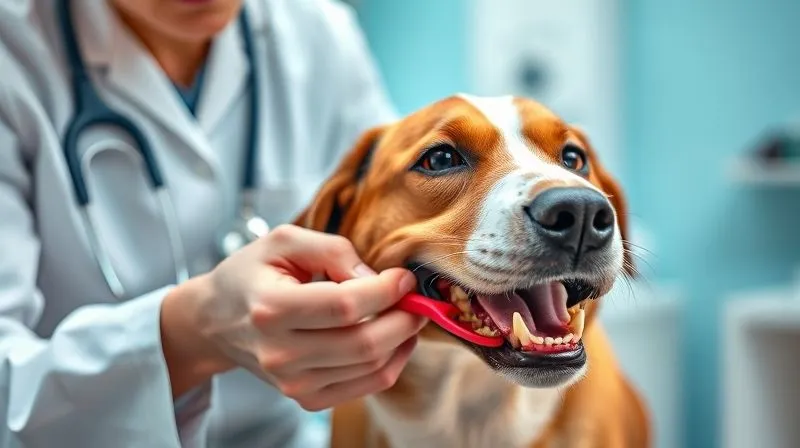
Consistent veterinary care, including annual dental check-ups, is paramount. Early detection of dental issues allows for timely intervention, often before they become "pre-existing" or require expensive, extensive procedures. Discuss your pet's dental health with your vet at every visit. Regular cleanings, even if not fully covered, can prevent more serious problems. The American Veterinary Medical Association (AVMA) consistently highlights the critical role of preventative dental care.
Understanding Policy Changes and Renewals
Pet insurance policies, like all insurance, can change. Always review your policy at renewal time for any updates to terms, exclusions, or limits. If you're considering switching providers, be acutely aware of new waiting periods and how they might affect current or potential dental conditions. Don't assume your new policy will mirror your old one.
Open Communication with Your Vet and Insurer
Before any major dental procedure, especially if it's costly or complex, consider requesting a pre-authorization from your insurer. Your vet can submit the proposed treatment plan, and the insurer will confirm coverage in advance, removing much of the uncertainty. This is a powerful tool to ensure you're covered before the bill arrives.

Frequently Asked Questions (FAQ)
Can I appeal a claim if my pet's condition was truly pre-existing? It's challenging, but not impossible. If the "pre-existing" note was a minor observation (e.g., "mild tartar") and the actual condition requiring treatment developed much later and was distinct, you might have a case. The key is to demonstrate that the current condition is not merely an exacerbation of the old, minor observation, and that the policy's definition of "pre-existing" wasn't met for the treated condition. Detailed vet letters are crucial here.
How long do I have to appeal a denied pet dental insurance claim? Appeal deadlines vary significantly by insurer and state regulations, but typically range from 60 to 180 days from the date of denial. Always check your denial letter or policy document for the exact timeframe. It's always best to act swiftly to ensure you don't miss these critical windows.
Will appealing affect my future premiums or ability to get insurance? Generally, no. Appealing a claim is your right as a policyholder and should not negatively impact your premiums or your relationship with the insurer, assuming your appeal is based on legitimate grounds and facts. Insurance companies are regulated and must adhere to fair claims practices.
What if my vet isn't cooperative in providing documentation for the appeal? Most veterinary clinics understand the importance of providing comprehensive records for insurance claims and appeals. Politely explain the situation and the specific documents you need. If you encounter significant resistance, remind them that these are your pet's medical records and you have a right to them. In extreme cases, a formal request in writing might be necessary.
Is it worth appealing a small claim? Absolutely. While the immediate financial impact might be less, successfully appealing even a small claim sets a precedent and ensures you understand the process. It also holds your insurer accountable to their policy terms. Plus, small dental issues can quickly escalate into larger, more expensive problems, so ensuring coverage for early intervention is always beneficial.
Key Takeaways and Final Thoughts
Navigating a denied pet dental insurance claim can feel like an uphill battle, but with the right knowledge and a structured approach, you can significantly increase your chances of a successful appeal. Remember, you are your pet's strongest advocate.
- Knowledge is Power: Thoroughly understand your policy's terms, exclusions, and definitions.
- Documentation is Gold: Comprehensive, clear veterinary records and a meticulous communication log are indispensable.
- Be Professional and Persistent: Craft a fact-based appeal letter and diligently follow up.
- Know Your Rights: Don't hesitate to escalate to state regulatory bodies if internal appeals fail.
- Proactive Prevention: Regular vet visits and pre-authorizations are your best defense against future denials.
In my journey through the pet insurance landscape, I've seen countless pet parents achieve positive outcomes by following these principles. Your dedication to your pet's health, combined with a strategic appeal, can make all the difference. Stay informed, stay organized, and advocate fiercely for your furry companion. Their healthy smile is worth every effort.
Recommended Reading
- Unlock Your Future: How to Mitigate Risk from a Negative Claims History?
- Urgent: How to Extend COBRA Coverage Beyond 18 Months? 5 Strategies
- Cyber Business Interruption: Decoding Claim Payouts & Coverage
- Avoid Penalties: 7 Urgent ACA Reporting Errors to Fix Before Deadline
- Avoid Court: 7 Expert Strategies for Property Claim Contractor Disputes



Your email address will not be published. Required fields are marked *