


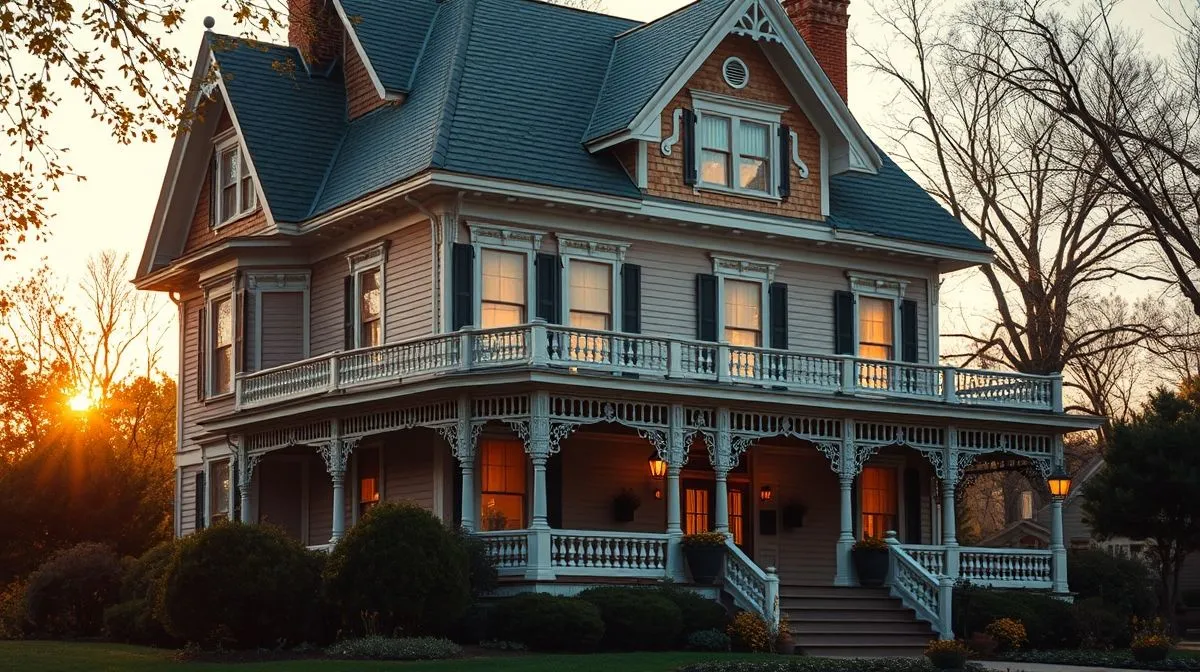
How to Lower Homeowners Insurance Premiums for Older Homes: Your Ultimate Guide
Imagine stepping into a home that whispers stories from generations past. The intricate woodwork, the grand fireplaces, the unique architectural details – older homes possess an undeniable charm and character that modern constructions often lack. They are testaments to craftsmanship and history, offering a sense of permanence and individuality. Yet, alongside this allure often comes a significant challenge: the perceived high cost of insuring them. Many homeowners of these beautiful, seasoned properties find themselves grappling with insurance premiums that seem disproportionately high, leading to frustration and a feeling of being penalized for their choice of dwelling.
This common predicament begs a crucial question: why are older homes often more expensive to insure, and what can truly be done about it? The answer lies in a complex interplay of factors, from outdated building materials and systems to the higher cost of specialized repairs. Insurers often view older properties as inherently riskier due to the potential for hidden issues, the complexity of replacements, and the simple passage of time. This perception can lead to a sense of helplessness for homeowners who are committed to preserving their historic gems but wish to do so without breaking the bank on annual premiums.
Fear not, for this comprehensive guide is your definitive resource to navigate the complexities of insuring an older home. We will delve deep into actionable strategies, insider tips, and practical steps that can significantly help you understand and, more importantly, effectively lower homeowners insurance premiums for older homes. By the end of this read, you will be equipped with the knowledge and confidence to not only protect your cherished property but also to secure more affordable, tailored insurance coverage.
Understanding the Unique Challenges of Insuring Older Homes
Before we can effectively tackle the issue of high premiums, it's essential to understand why older homes often come with a steeper insurance price tag. Insurers assess risk based on various factors, and several unique characteristics of older properties can elevate that risk assessment.
Age of Systems and Materials
One of the primary concerns for insurers is the age and condition of a home's vital systems. Older homes frequently feature:
- Outdated Electrical Systems: Knob-and-tube or aluminum wiring, common in homes built before the 1960s, poses a higher fire risk compared to modern copper wiring.
- Aging Plumbing: Galvanized pipes, lead pipes, or old cast iron drains are prone to corrosion, leaks, and bursts, leading to significant water damage claims.
- Original Roofing: Roofs that are decades old are more susceptible to damage from storms, wind, and hail, and their replacement can be costly.
- Original HVAC Systems: Older furnaces and air conditioning units are less efficient and more prone to breakdowns, which can lead to other issues like frozen pipes or mold.
These systems, if not updated, represent considerable liabilities for insurance companies.
Specialized Construction and Repair Costs
Older homes were often built with techniques and materials that are no longer standard. This can include:
- Plaster Walls: More expensive to repair than modern drywall.
- Unique Woodwork and Trim: Custom-milled lumber or intricate carvings require skilled craftsmen and specialized materials for repair or replacement.
- Masonry Work: Matching old brick, stone, or unique mortar can be a painstaking and costly process.
- Original Fixtures: Vintage fixtures and architectural elements, if damaged, may need to be custom-fabricated or sourced from salvage, adding to repair expenses.
Insurers understand that a simple repair in a new home might be a complex, expensive restoration in an older property, pushing up potential claim costs.
Perceived Risks and Lack of Documentation
Sometimes, the higher premiums stem from a lack of information. If a home's history of updates and maintenance isn't well-documented, insurers may default to assuming the worst-case scenario. Additionally, the very charm of an older home – its mature trees, intricate chimneys, or unique foundations – can sometimes be perceived as additional risks for wind damage, chimney fires, or foundation issues if not properly maintained.
Conducting a Thorough Home Inspection and Upgrades
One of the most impactful steps you can take to lower homeowners insurance premiums for older homes is to proactively address the very issues that concern insurers: the condition of your home's core systems. A comprehensive professional inspection followed by strategic upgrades can demonstrate to insurers that your property is well-maintained and less risky.
The Value of a Pre-Insurance Inspection
Before even seeking quotes, consider hiring a certified home inspector specializing in older properties. They can identify potential hazards, structural weaknesses, and areas where systems are nearing the end of their lifespan. This report gives you a clear roadmap for improvements and provides concrete evidence to insurers about your home's current condition.
Key Upgrades That Make a Difference
Focus your efforts on the areas that directly impact insurance risk and often lead to claims:
- Electrical System Modernization: Replacing outdated wiring (knob-and-tube, aluminum) with modern copper wiring is a significant fire prevention measure. Upgrading the electrical panel to handle modern loads also reduces risk.
- Plumbing System Overhaul: Replacing old galvanized or lead pipes with PEX or copper piping drastically reduces the risk of leaks, bursts, and water damage.
- Roof Replacement or Repair: A new, structurally sound roof is a huge selling point for insurers. Ensure it meets current building codes for your area, especially regarding wind resistance.
- HVAC System Updates: Modern, well-maintained heating and cooling systems are safer and more efficient.
- Foundation and Structural Integrity: Address any signs of foundation issues, water intrusion in basements, or structural concerns. These are critical for the long-term stability of your home.
Each of these upgrades not only makes your home safer and more comfortable but also directly addresses an insurer's major concerns. Be sure to keep meticulous records of all improvements, including receipts, permits, and contractor invoices. This documentation is invaluable when applying for or reviewing your policy.
Implementing Modern Safety and Security Measures
Beyond structural integrity, demonstrating a commitment to safety and security can significantly reduce your insurance premiums. Insurers reward homeowners who take proactive steps to prevent common perils like fire, theft, and carbon monoxide poisoning.
Fire Prevention and Mitigation
Fire is one of the most destructive and costly perils for any home, especially older ones with potentially less fire-resistant materials. Consider these measures:
- Smoke and Carbon Monoxide Detectors: Install interconnected detectors on every level of your home, inside and outside sleeping areas. Regularly test and replace batteries.
- Fire Extinguishers: Keep easily accessible fire extinguishers in key areas like the kitchen and garage.
- Sprinkler Systems: While a significant investment, a residential sprinkler system can dramatically reduce fire damage and may lead to substantial premium discounts. According to the National Fire Protection Association (NFPA), sprinklers can reduce civilian fire deaths by 87%.
- Clearance around Heat Sources: Ensure proper clearance around fireplaces, wood stoves, and heating vents.
Enhanced Security Systems
Protecting your home from theft and vandalism is another key area for premium savings:
- Burglar Alarms: A professionally monitored alarm system can lead to discounts of 5-20% on your premium.
- Deadbolt Locks: Installing robust deadbolt locks on all exterior doors is a simple yet effective deterrent.
- Security Cameras: Visible security cameras, especially those with remote monitoring capabilities, can deter intruders and provide valuable evidence if an incident occurs.
- Window Locks and Reinforcement: Ensure all windows have secure locks. Consider shatter-resistant film for ground-floor windows.
Always inform your insurance provider about any safety or security upgrades you've made. They often have specific discount programs for these improvements.
Optimizing Your Insurance Policy: Deductibles, Discounts, and Coverage
Beyond the physical attributes of your older home, how you structure your insurance policy itself plays a crucial role in determining your premiums. Smart policy choices can lead to substantial savings.
Strategic Deductibles
Your deductible is the amount you pay out-of-pocket before your insurance coverage kicks in. Generally, a higher deductible translates to a lower premium. For an older home, where minor issues might arise, assess your financial comfort level. Raising your deductible from, say, $500 to $1,000 or even $2,500 can significantly reduce your annual premium. Just ensure you have the funds readily available to cover that deductible if a claim becomes necessary.
Bundling Policies and Loyalty Discounts
Most insurers offer discounts for bundling multiple policies (e.g., home and auto insurance) with the same company. This can often lead to savings of 10-20% on your total insurance costs. Additionally, inquire about loyalty discounts for long-term policyholders. Some companies also offer discounts for paying your premium annually rather than monthly.
Understanding Coverage Types and Endorsements
For older homes, standard HO-3 policies might not be sufficient, especially concerning replacement cost. You'll want to ensure your policy offers:
- Guaranteed Replacement Cost: This covers the full cost to rebuild your home, even if it exceeds your dwelling coverage limit, which is crucial for older homes with unique construction that may be more expensive to replicate.
- Ordinance or Law Coverage: This pays for the additional costs to rebuild your home to current building codes, which can be substantial for an older property.
- Historic Home Endorsements: Some insurers specialize in older or historic properties and offer specific endorsements to cover unique architectural features, original materials, or the need for skilled artisans for repairs.
While these specialized coverages might initially seem to increase your premium, they prevent massive out-of-pocket expenses in the event of a total loss, making them a wise investment for older homes. Always discuss these options thoroughly with your agent.
Review Your Claims History
A clean claims history is your best friend when it comes to insurance premiums. Avoid filing small claims that you can comfortably cover out-of-pocket, as even minor claims can lead to premium increases. The Insurance Information Institute provides extensive resources on how claims history impacts premiums.
Regular Maintenance and Preventative Care: A Long-Term Strategy
While inspections and major upgrades are crucial, the ongoing, day-to-day care of your older home is equally vital for managing insurance costs. A well-maintained home signals lower risk to insurers and prevents small issues from escalating into expensive claims.
Proactive Maintenance Schedule
Implement a consistent maintenance schedule focusing on areas prone to issues in older homes:
- Roof and Gutter Cleaning: Regularly clear gutters and downspouts to prevent water from backing up and damaging the roof, fascia, or foundation. Inspect the roof for loose shingles or signs of wear.
- Tree Trimming: Keep trees trimmed away from your roof and power lines to prevent damage during storms. Large branches overhanging the house are a significant risk.
- Foundation and Drainage Checks: Ensure water drains away from your foundation. Address cracks or signs of moisture in the basement or crawl space promptly.
- Pest Control: Termites, rodents, and other pests can cause significant structural damage that may not be covered by standard policies. Regular pest inspections are key.
- Appliance and System Servicing: Have your HVAC system, water heater, and other major appliances serviced annually to ensure they are running efficiently and safely, reducing the risk of breakdowns or fires.
These preventative measures demonstrate to your insurer that you are a responsible homeowner, actively mitigating risks. They also save you money in the long run by avoiding costly emergency repairs.
Shopping Around and Comparing Quotes
It might sound obvious, but one of the most effective ways to lower homeowners insurance premiums for older homes is to actively shop around and compare offers from multiple insurance providers. The market is competitive, and premiums can vary significantly between companies for the exact same coverage.
Leverage Independent Agents
An independent insurance agent works with multiple insurance carriers, not just one. They can gather quotes from various companies, compare coverages, and help you find the best policy for your specific older home. They often have access to insurers that specialize in older or historic properties, which might offer more favorable terms than general providers.
Utilize Online Comparison Tools
While an agent offers personalized advice, online comparison websites can give you a quick overview of quotes from various providers. Be thorough when entering your home's details, especially any upgrades you've made, to get the most accurate estimates.
Seek Out Specialty Insurers
Some insurance companies specialize in high-value homes, historic properties, or unique architectural styles. These insurers often understand the nuances of older homes better and may offer more appropriate coverage and competitive rates, as they are equipped to assess the specific risks and repair costs associated with such properties. For instance, understanding National Park Service's historic preservation guidelines can offer insights into the unique needs of such homes, which specialist insurers might cater to.
Be Transparent and Detailed
When getting quotes, be completely transparent about your home's age, construction, and any upgrades. Provide documentation of new roofs, updated electrical or plumbing, and security systems. The more information you provide, the more accurately (and often more favorably) an insurer can assess your risk.
Documenting Improvements and Maintaining Records
The saying “proof is in the pudding” holds immense truth when it comes to insuring an older home. Every upgrade, repair, and preventative measure you take can directly influence your insurance premiums, but only if you can prove it. Maintaining meticulous records is not just good practice; it's a critical component of securing lower rates and ensuring smooth claims processing.
What to Document
Keep a dedicated file, digital or physical, for all home-related documentation. This should include:
- Receipts for Materials and Services: For every major repair or upgrade (roof, electrical, plumbing, HVAC, new appliances), keep the original receipts.
- Contractor Invoices: Ensure invoices detail the work performed, materials used, and the date of completion.
- Permits and Certificates of Occupancy: For significant structural or system changes, permits are often required. These prove the work was done to code.
- Inspection Reports: Pre-purchase inspections, post-upgrade inspections, and annual maintenance reports (e.g., chimney cleaning, HVAC servicing).
- Before and After Photos: Visual evidence of improvements can be incredibly persuasive. Document the condition of systems before and after upgrades.
- Appraisal Reports: A recent appraisal can provide an accurate assessment of your home's current value and condition.
How Documentation Impacts Premiums
When you apply for or renew your insurance, providing this documentation allows the insurer to move beyond assumptions about an older home's risks. Instead, they can assess your property based on its actual, improved condition. For example, showing proof of a new roof or updated electrical system can lead to immediate and substantial discounts. It demonstrates your commitment to maintaining a safe and sound property, making you a more attractive policyholder.
Furthermore, in the unfortunate event of a claim, having thorough documentation can expedite the process and ensure you receive the appropriate payout. It provides clear evidence of the condition of your home and its systems prior to the incident, helping to avoid disputes over coverage limits or repair costs. Maintaining these records is an ongoing process, but one that pays dividends in both peace of mind and financial savings over the long term.
Frequently Asked Questions (FAQ)
Q: Do all older homes have higher insurance premiums? A: Not necessarily. While older homes generally present more perceived risks to insurers, those that have undergone significant, documented updates to their electrical, plumbing, and roofing systems, and have modern safety features, can often qualify for premiums comparable to newer homes. It depends heavily on the condition and your ability to prove those updates.
Q: Is it worth updating my older home's systems just to save on insurance? A: Absolutely. Beyond insurance savings, updating critical systems like electrical, plumbing, and HVAC improves your home's safety, efficiency, and overall value. The insurance savings are a beneficial byproduct of making your home safer and more modern.
Q: Can the historical designation of my home affect my insurance? A: Yes, a historical designation can impact insurance. While it adds value and character, it may also require specialized repair techniques and materials, potentially increasing rebuild costs. Some insurers specialize in historic properties and offer specific coverage for these unique needs. Always disclose such designations to your insurer.
Q: How often should I review my homeowners insurance policy for my older home? A: It's advisable to review your policy annually, especially if you've made any significant upgrades or changes to your home. Also, compare quotes from other providers every 2-3 years to ensure you're still getting the most competitive rates.
Q: What is the most common claim in older homes that I should try to prevent? A: Water damage, often from aging pipes or roof leaks, is a very common and costly claim for older homes. Proactive maintenance of plumbing systems, roofs, and gutters can significantly reduce this risk.
Recommended Reading
- Unlock Your Protection: What Incidents Are Excluded from General Liability?
- Affording Extended Care: Long-Term Insurance Secrets Revealed!
- Pet Insurance & Pre-Existing Conditions: What's Really Covered?
- Pet Anxiety Meds: Does Pet Insurance Cover the Cost?
- Safe Driver Discount: How to Qualify & Save Big on Auto Insurance
Conclusion
Insuring an older home doesn't have to be a daunting or excessively expensive endeavor. While these properties indeed come with their unique set of considerations, understanding the factors that influence premiums and proactively addressing them empowers you to secure fair and affordable coverage. From undertaking critical system upgrades and bolstering safety measures to meticulously documenting every improvement, each step contributes to reducing perceived risk in the eyes of insurers. By strategically optimizing your policy, exploring the market for specialized providers, and committing to ongoing maintenance, you can significantly lower homeowners insurance premiums for older homes. Your cherished piece of history deserves the best protection without an exorbitant price tag. Embrace these strategies, and enjoy the timeless beauty of your home with peace of mind and a healthier wallet.



Your email address will not be published. Required fields are marked *