



How to Prevent Dwelling Repair Contractor Fraud in Claims?
For over two decades in the home insurance industry, I've witnessed firsthand the devastating impact that unforeseen property damage can have on homeowners. From the shock of a sudden storm to the quiet dread of a burst pipe, these incidents are inherently stressful. But what often compounds the initial damage, turning a bad situation into a truly nightmarish one, is the insidious threat of dwelling repair contractor fraud. I've seen good people lose their life savings, fall into debt, and endure prolonged emotional distress, all because they weren't equipped to identify and prevent these predatory practices.
The problem is rampant, particularly in the aftermath of widespread disasters when demand for repairs skyrockets. Unscrupulous contractors, often called 'storm chasers,' descend upon affected areas, preying on vulnerable homeowners eager to restore their homes. They might overcharge, perform shoddy work, or even disappear with your money, leaving you with a damaged home and a denied insurance claim. The emotional toll, combined with the financial burden, can be crippling.
This article isn't just a collection of facts; it's a comprehensive, actionable framework born from years of experience helping homeowners navigate these treacherous waters. I'll share my expert insights, practical steps, and crucial warnings to empower you. You'll learn how to proactively safeguard your home, your finances, and your peace of mind by understanding how to prevent dwelling repair contractor fraud in claims, ensuring your repair journey is transparent, fair, and ultimately successful.
Understanding the Landscape of Dwelling Repair Fraud
Before we can effectively combat contractor fraud, we must first understand its various manifestations. Fraud isn't always a blatant scam; sometimes, it's a series of subtle deceptions designed to inflate costs or cut corners. Recognizing these patterns is your first line of defense.
Common Scams and Red Flags to Watch For
Fraudulent contractors often employ a playbook of tactics. One common scheme involves inflated estimates, where they quote repairs far above market value, sometimes even damaging property further to justify higher costs. Another is substandard work, where cheap materials or poor craftsmanship are used, leading to future problems and potentially voiding warranties. Then there's the 'ghosting' act – taking a substantial upfront payment and simply disappearing.
- Unsolicited Offers: Be wary of contractors who show up uninvited, especially after a storm, offering immediate inspections or repairs.
- High-Pressure Sales Tactics: Demanding immediate decisions, pushing for cash payments, or insisting you sign documents on the spot are major red flags.
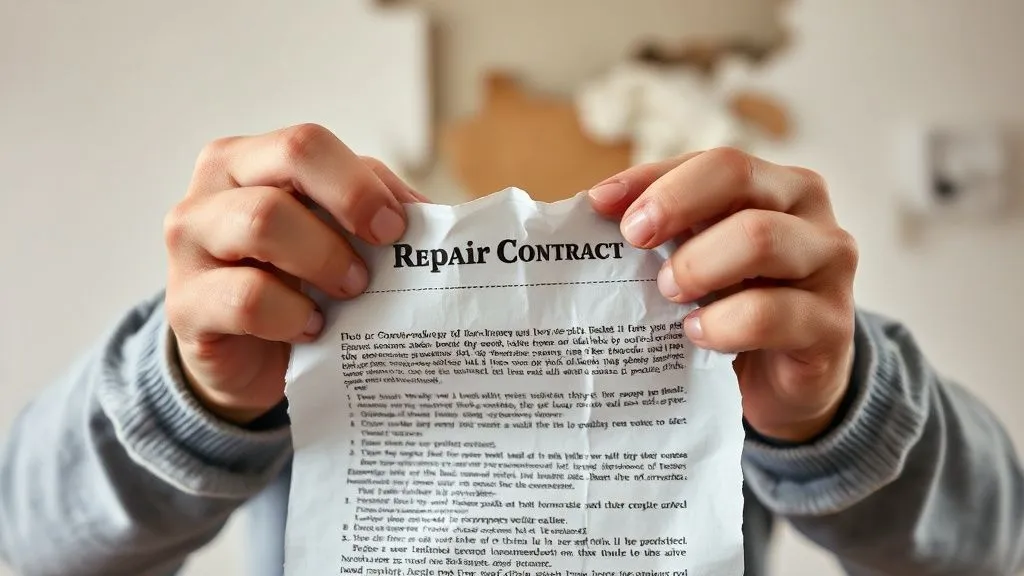
- No Written Contract or Vague Terms: A reputable contractor will always provide a detailed written contract.
- Demanding Full Payment Upfront: While some deposit is standard, demanding the entire sum before work begins is highly suspicious.
- Lack of Licensing or Insurance: Verify their credentials independently.
- Discrepancies in Estimates: If their estimate is significantly higher or lower than others, investigate why.
“In my experience, vigilance is not paranoia; it’s prudent protection. Every homeowner must adopt a 'trust but verify' mindset when dealing with post-claim repairs. The stakes are simply too high to do otherwise.”
Understanding these red flags empowers you to question, investigate, and ultimately avoid falling victim. Remember, legitimate contractors don't need to resort to such tactics.

Step 1: Document Everything Meticulously Before & After Damage
This is arguably the most critical step in protecting yourself. Comprehensive documentation provides irrefutable evidence of your property's condition before and after damage, making it much harder for fraudulent contractors to inflate claims or dispute the scope of work.
Pre-Loss Documentation: Your Baseline Defense
Before any damage occurs, create a detailed inventory of your home. This should include:
- Photographs and Videos: Walk through every room, taking clear, well-lit photos and videos of walls, ceilings, floors, major appliances, and valuable possessions. Date-stamp everything.
- Purchase Receipts and Appraisals: Keep receipts for major purchases and any professional appraisals for high-value items. Store these digitally and in a secure, off-site location.
- Home Inspection Reports: If you've had a recent home inspection, keep the report as a record of your home's condition.
Post-Loss Documentation: Evidence for Your Claim
After damage occurs, your documentation efforts become even more crucial for your insurance claim and for preventing contractor fraud.
- Immediate Photos and Videos: As soon as it's safe, document all damage extensively. Take wide shots, close-ups, and multiple angles. Don't touch or move anything until it's documented.
- Detailed Written Log: Keep a journal of everything: dates of damage, who you spoke to (insurer, adjusters, contractors), what was discussed, and any actions taken.
- Keep Damaged Items: Unless they pose a hazard, do not discard damaged items until your insurer has inspected them.
- Communication Records: Save all emails, texts, and notes from phone calls with your insurer and any potential contractors.
This diligence creates an undeniable paper trail that validates your claim and provides a clear benchmark for repair work, making it exceedingly difficult for any contractor to overcharge or claim work was done when it wasn't.

Step 2: Understand Your Policy Inside Out
Your home insurance policy is your contract with the insurer. It outlines what's covered, what's excluded, and your responsibilities. Ignorance of your policy terms is a common vulnerability that fraudulent contractors exploit to push for unnecessary or unapproved work.
Key Policy Terms to Scrutinize
Before you even think about contractors, read your policy. If you don't understand something, call your agent or insurer for clarification. Pay particular attention to:
| Term | Relevance to Fraud Prevention | |
|---|---|---|
| Definition | Why it Matters | |
| Deductible | The amount you pay out-of-pocket before your insurer pays. | Fraudsters may offer to 'waive' or 'cover' your deductible, which is illegal and can lead to inflated claims. |
| Coverage Limits | The maximum amount your insurer will pay for a covered loss. | Contractors might try to push repairs that exceed your coverage limits, leaving you responsible for the overage. |
| Actual Cash Value (ACV) vs. Replacement Cost Value (RCV) | ACV pays for the depreciated value; RCV pays to replace items with new ones. | Understanding this prevents contractors from overbilling for depreciated items or misleading you about what your policy will pay for. |
| Exclusions | Specific perils or types of damage not covered by your policy. | A fraudulent contractor might try to bill for repairs related to an excluded peril, knowing your insurer won't pay. |
| Preferred Contractor Networks | Some insurers have pre-vetted contractors they recommend. | While not mandatory, using a preferred contractor can offer an extra layer of trust and accountability, though you should still vet them. |
I cannot stress this enough: do not let a contractor read or interpret your policy for you. Their primary interest is their own profit. Your insurer is the definitive source for policy interpretation. If a contractor tells you something about your coverage that contradicts what your insurer says, that's a significant red flag.
For more detailed information on understanding your home insurance policy, I recommend consulting resources from reputable organizations like the Insurance Information Institute (III), which offers unbiased explanations of various policy components.
Step 3: Vet Contractors Rigorously – Your First Line of Defense
Choosing the right contractor is paramount. This isn't a decision to be rushed, especially after a stressful event. A thorough vetting process will separate the reputable professionals from the potential fraudsters.
The Multi-Point Vetting Checklist
Never rely solely on a contractor's self-promotion. Conduct your own due diligence:
- Get Multiple Bids: Obtain at least three detailed, written estimates from different contractors. This helps you gauge fair market value and identify outliers.
- Verify Licenses and Insurance: Check with your state's licensing board to ensure the contractor is properly licensed for the work. Crucially, verify they carry liability insurance and workers' compensation. Ask for proof and call their insurer to confirm.
- Check References: Ask for at least three recent references and actually call them. Ask about the quality of work, adherence to deadlines, communication, and overall satisfaction.
- Review Online Reputation: Look up the contractor on the Better Business Bureau (BBB), Yelp, Google Reviews, and other consumer review sites. Pay attention to patterns of complaints and how the contractor responded.
- Physical Address and Local Presence: Be wary of contractors with only P.O. box addresses or those who seem to be transient. A strong local presence suggests accountability.
- Ask About Subcontractors: Understand if they use subcontractors, who they are, and if they are also licensed and insured.
Case Study: How Sarah Avoided a Contractor Scam
Sarah, a homeowner in Florida, experienced significant roof damage after a hurricane. Within days, a contractor approached her, offering a 'special deal' if she signed immediately, promising to handle everything with her insurance. He pressured her, claiming materials were running out. Sarah remembered my advice: never rush. She politely declined and instead reached out to her insurer for a list of preferred vendors. She also sought two additional bids from local, highly-rated contractors. One of these local contractors pointed out that the 'special deal' contractor's bid included repairs for interior damage that wasn't present in her initial documentation. By taking her time and thoroughly vetting, Sarah identified the fraud attempt, selected a reputable local company, and ensured her claim was handled correctly, saving herself thousands and countless headaches.
“The best defense against a bad contractor is a good offense of thorough research. Never compromise on vetting, no matter how urgent the perceived need for repairs.”
Step 4: Never Rush into Agreements or Sign Blank Documents
High-pressure tactics are a hallmark of fraudulent contractors. They aim to get you to sign before you've had a chance to think, compare, or consult. This is a critical point where many homeowners become vulnerable.
The Dangers of High-Pressure Tactics
A legitimate contractor will understand your need to make an informed decision. They will provide a detailed, written proposal and allow you time to review it, ask questions, and even consult with your insurance adjuster or legal counsel. Any contractor who rushes you, demands an immediate signature, or tells you that their 'special offer' is only valid 'right now' should be avoided.
Here’s what to look for in a contract and what to avoid:
- Detailed Scope of Work: The contract must clearly define exactly what work will be done, materials used, and a timeline. Vague language is a red flag.
- Payment Schedule: A clear, milestone-based payment schedule is crucial. Avoid contracts demanding large upfront payments (more than 10-20% for smaller jobs, or initial material costs for larger ones).
- Start and Completion Dates: These should be specified, along with clauses for delays.
- Warranty Information: Details on warranties for materials and workmanship.
- Cancellation Clause: Your rights to cancel the contract, especially within a certain timeframe (e.g., 3-day right of rescission).
- Never Sign a Blank Contract: This is an open invitation for fraud. All terms, figures, and details must be filled in before you sign.
- Avoid 'Assignment of Benefits' (AOB) if possible: An AOB transfers your rights to your insurance claim directly to the contractor. While legal in some states, it can strip you of control over your claim, potentially leading to disputes and even lawsuits. Always understand the implications and consult your insurer before signing an AOB.
Step 5: Manage Payments Wisely and Inspect Work Progress
How you handle payments throughout the repair process is another critical control point against fraud. A well-structured payment schedule protects both you and the contractor, ensuring work is completed to satisfaction before funds are released.
Staged Payments and Lien Waivers
Never pay for all work upfront. A standard payment structure involves:
- Initial Deposit: A reasonable deposit to cover initial material costs or mobilize the crew (typically 10-20%).
- Progress Payments: Payments tied to specific, verifiable milestones of work completion (e.g., roof decking installed, plumbing rough-in complete).
- Final Payment: The last payment should only be made after all work is completed to your satisfaction, all inspections pass, and you have received lien waivers.
| Payment Stage | Fraud Prevention Benefit | |
|---|---|---|
| Action Required | Why it's Important | |
| Initial Deposit (10-20%) | Verify contractor's license, insurance, and contract details. Ensure funds are used for mobilization/materials. | Minimizes risk of contractor disappearing with full payment before work starts. |
| Mid-Project Milestones (e.g., 25%, 50%, 75% completion) | Inspect completed work for quality and adherence to contract. Get written approval from your insurer/adjuster if required. | Ensures work progresses as agreed and prevents payment for uncompleted or substandard work. |
| Final Payment (upon completion) | Final inspection, obtain all warranties, permits, and crucially, lien waivers from contractor and all subcontractors/suppliers. | Protects you from future claims by subcontractors or suppliers who weren't paid by the main contractor, and ensures all work is finalized. |
A lien waiver is a document from a contractor, subcontractor, or supplier stating that they have been paid for their work or materials and waive their right to place a lien on your property. Without these, an unpaid subcontractor could potentially place a lien on your home, even if you paid the main contractor. Always insist on them, especially with the final payment.
For additional guidance on payment best practices and consumer rights, I often refer homeowners to resources like the Federal Trade Commission (FTC), which offers valuable advice on avoiding home improvement scams.
Step 6: Communicate Directly with Your Insurer
Your insurance company is your partner in this process, not just a payer of claims. Maintaining open, direct communication with your adjuster is vital. Fraudulent contractors often try to insert themselves as the sole point of contact, creating a veil of secrecy.
Establishing a Clear Communication Channel
From the moment you file a claim, ensure you have direct access to your insurance adjuster. Here’s why and how:
- Report Damage Promptly: Notify your insurer as soon as possible after damage occurs.
- Share All Information: Provide your adjuster with all your documentation (photos, videos, logs) and copies of any contractor estimates you receive.
- Discuss Estimates: Before agreeing to any repair work, discuss the contractor's estimate with your adjuster. They can verify if the scope of work and costs align with your policy and reasonable market rates.
- Ask for Adjuster's Opinion: Your adjuster is experienced in evaluating damage and repair costs. Leverage their expertise. If a contractor's estimate seems unusually high, your adjuster can provide a second opinion or even recommend alternative contractors.
- Beware of 'Claim Handling' Offers: Be extremely wary of contractors who offer to 'handle' your entire claim process, including communicating solely with your insurer. This can obscure fraudulent practices and cut you out of critical decisions.
“Your insurance adjuster is your most powerful ally in preventing contractor fraud. They understand the intricacies of claims and can spot inflated costs or unnecessary work far better than most homeowners. Use them as your sounding board and fact-checker.”
Remember, your insurer has a vested interest in ensuring repairs are done correctly and cost-effectively. They are also highly adept at identifying fraudulent claims and contractors. Maintaining a transparent, direct line of communication protects everyone involved, especially you.
Step 7: Know When and How to Report Suspected Fraud
Despite your best efforts, you might still encounter suspicious behavior or outright fraud. Knowing how and when to report it is crucial, not just for your own protection, but to prevent others from falling victim.
Resources for Reporting Suspected Fraud
If you suspect contractor fraud, do not hesitate to act. Here’s who to contact:
- Your Insurance Company: This should be your first point of contact. They have fraud investigation units and can guide you on next steps.
- State Department of Insurance: Every state has a department or division that regulates the insurance industry and investigates fraud. They can take action against fraudulent contractors and insurers. You can typically find their contact information through your state's official government website or via the National Association of Insurance Commissioners (NAIC) consumer support page.
- State Attorney General's Office / Consumer Protection Division: These offices investigate consumer complaints, including those related to contractor fraud.
- Local Law Enforcement: If you believe a crime has been committed (e.g., theft, extortion, property damage), contact your local police department.
- The National Insurance Crime Bureau (NICB): This organization works to combat insurance fraud and can be an excellent resource for reporting suspected fraud. Visit their website at nicb.org.
When reporting, provide as much detail as possible: contractor's name, company name, contact information, dates of interaction, specific allegations, and any supporting documentation (contracts, emails, photos, estimates). The more evidence you provide, the stronger your case.

Frequently Asked Questions (FAQ)
Q: Can my insurance company force me to use a specific contractor? No, in most states, your insurance company cannot legally force you to use a specific contractor. They may provide a list of 'preferred' or 'approved' contractors, which can be a good starting point as these contractors are often pre-vetted. However, the final choice is always yours. Be wary if an adjuster or contractor insists you must use their choice. Always get multiple bids and make your own informed decision.
Q: What if a contractor offers to waive my deductible? This is a major red flag and often a sign of fraud. Waiving a deductible is illegal in many states. It usually means the contractor is inflating the repair cost to cover your deductible, which defrauds the insurance company. Participating in such a scheme can have serious legal repercussions for the homeowner, including being implicated in insurance fraud. Always pay your deductible directly to the contractor.
Q: How long should I wait after damage before starting repairs? It's important to act promptly to prevent further damage, but don't rush into signing contracts. After filing your claim, your insurer will typically send an adjuster to assess the damage. Wait for this assessment and discuss their findings before committing to major repairs. For urgent issues (like a leaking roof), temporary repairs to mitigate further damage are usually covered and encouraged, but keep receipts and document everything.
Q: What is an 'Assignment of Benefits' (AOB) and should I sign one? An Assignment of Benefits (AOB) is a legal agreement that transfers your insurance claim rights to a third party, typically a contractor. This means the contractor can communicate directly with your insurer, make decisions about your claim, and even sue the insurer on your behalf without your direct involvement. While it can streamline the process, it also gives up your control. In many cases, it leads to inflated claims, disputes, and potential legal issues for homeowners. I strongly advise against signing an AOB without fully understanding its implications and consulting with your insurer or an attorney. In some states, new laws have been enacted to regulate or restrict AOBs due to widespread abuse.
Q: What if I've already signed a contract and now suspect fraud? If you suspect fraud after signing, act quickly. First, review your contract for any cancellation clauses or a 'right of rescission' (often 3 business days for door-to-door sales). If within that period, send a written cancellation notice. If past that, document all your concerns, gather evidence, and immediately contact your insurance company. Then, reach out to your state's consumer protection agency or the Attorney General's office. You may also need to consult with a legal professional specializing in contract law or consumer protection.
Key Takeaways and Final Thoughts
Navigating home insurance claims and dwelling repairs after a loss can be daunting, but it doesn't have to be a minefield of fraud. By adopting a proactive, informed, and diligent approach, you can effectively prevent dwelling repair contractor fraud in claims and ensure your home is restored properly.
- Document Everything: Your pre- and post-loss records are your strongest evidence.
- Know Your Policy: Understand your coverage limits, deductibles, and exclusions.
- Vet Rigorously: Never skip the steps of checking licenses, insurance, references, and reviews.
- Read Before Signing: Demand detailed contracts and never sign blank documents or rush into AOBs.
- Manage Payments Wisely: Use staged payments and insist on lien waivers.
- Communicate Directly: Maintain open lines with your insurer; they are your advocate.
- Report Suspicions: Don't hesitate to report fraud to your insurer and state authorities.
Remember, you are the ultimate guardian of your home and your financial well-being. The knowledge and strategies I've shared here are not just theoretical; they are practical tools honed over years of industry experience. Empower yourself, stay vigilant, and demand transparency. Your peace of mind, and the integrity of your home, are worth every ounce of effort. By following these steps, you're not just preventing fraud; you're building a foundation of trust and security for your future.
Recommended Reading
- Unraveling the Mystery: Why Mortgage Insurance Appears in Your Closing Costs
- Unveiling the Truth: How Health Insurance Market Trends Impact Consumers
- Mortgage Insurance: How Much Will Your Lender Require?
- 5 Strategies: Maximizing Guaranteed Annuity Income for HNW Clients
- Pet Insurance & Pre-Existing Conditions: What's Really Covered?




Your email address will not be published. Required fields are marked *