

How to Reduce Social Inflation's Impact on GL Claims?
For over two decades in the Property & Casualty insurance sector, I've witnessed the ebb and flow of market cycles, regulatory shifts, and technological advancements. Yet, few phenomena have been as insidious and financially impactful as the rise of social inflation. It's not just about rising repair costs or medical expenses; it's a fundamental recalibration of risk and responsibility, often leading to staggering General Liability (GL) claims.
Many businesses find themselves caught off guard, watching their GL claims costs skyrocket, premiums increase, and their balance sheets strain under the weight of unforeseen liabilities. This isn't a problem that can be solved with traditional cost-cutting measures alone. It demands a sophisticated, multi-faceted approach, understanding that the battlefield has shifted from pure economics to public perception and legal strategy.
In this definitive guide, I will share my accumulated wisdom, offering not just definitions, but actionable frameworks, real-world case studies, and expert insights drawn from years on the front lines. You'll learn how to identify the drivers of social inflation, implement proactive risk management, master claims defense, and leverage strategic partnerships to significantly reduce social inflation's impact on your GL claims.
Understanding the Anatomy of Social Inflation in GL
Before we can combat social inflation, we must first understand its intricate mechanics. It’s a complex beast, distinct from economic inflation, driven by societal changes rather than just supply and demand. In my experience, misunderstanding its root causes is the first major misstep many organizations make.
What Fuels the Fire?
Social inflation is fueled by several interconnected factors, creating a perfect storm for GL claims:
- Litigation Funding: The rise of third-party litigation funding allows plaintiff attorneys to pursue cases with higher stakes and longer durations, without personal financial risk, driving up settlement demands.
- Declining Tort Reform: In many jurisdictions, tort reforms that once limited damages or made it harder to sue have been weakened or overturned, opening the floodgates for larger awards.
- Public Sentiment Shifts: There's a growing public perception that corporations are wealthy and should bear more responsibility for societal harms, often leading juries to favor plaintiffs.
- Media Influence and 'Anchoring': High-profile 'nuclear verdicts' receive significant media attention, setting a new, higher benchmark (or 'anchor') in the minds of juries and attorneys for what constitutes a fair settlement.
- Erosion of 'Personal Responsibility': A subtle but significant shift where individual accountability is often overshadowed by a search for a corporate 'deep pocket'.
The Nuclear Verdict Phenomenon
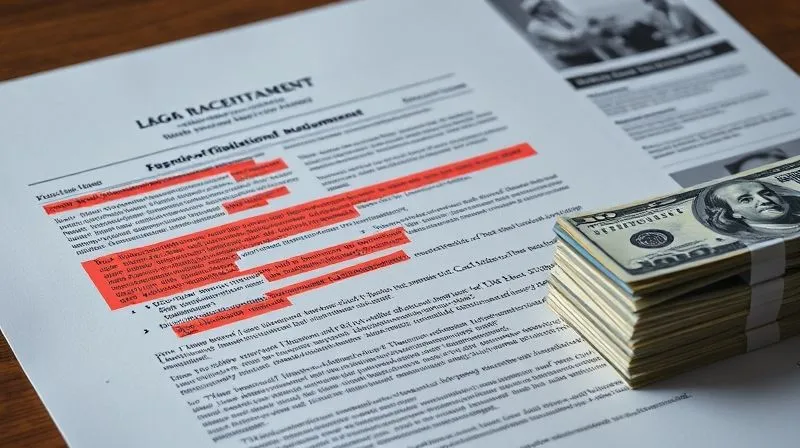
The most visible and frightening symptom of social inflation is the 'nuclear verdict' – jury awards exceeding $10 million, often far beyond what actuarial science would predict for similar injuries. These aren't isolated incidents; they are becoming more common, particularly in auto, product, and general liability cases. According to a Swiss Re Institute report, the frequency of large awards has been steadily increasing, pushing the average cost of GL claims significantly higher.
"Social inflation isn't just about higher repair costs; it's about a fundamental shift in how society values damages and assigns corporate responsibility. Ignoring this shift is akin to steering a ship through a storm with an outdated map."
Proactive Risk Management: The First Line of Defense
In the battle against social inflation, prevention is always better than cure. My years of experience have taught me that the most successful organizations are those that don't just react to claims but actively work to prevent them. This requires a robust and continuously evolving risk management framework.
Enhancing Safety Protocols and Compliance
At its core, reducing GL claims means reducing incidents. This isn't just about ticking boxes; it's about fostering a culture of safety and compliance. A slip-and-fall that might have once been a minor payout can now escalate into a multi-million dollar verdict due to perceived negligence.
- Regular Risk Assessments: Conduct thorough, periodic assessments of your premises, operations, and products to identify potential hazards and liability exposures.
- Robust Employee Training: Ensure all employees receive comprehensive, ongoing training on safety procedures, hazard identification, and incident reporting. Document everything.
- Clear Standard Operating Procedures (SOPs): Develop and enforce clear, unambiguous SOPs for all tasks, especially those involving public interaction or potential hazards. Review and update these regularly.
- Proactive Maintenance: Implement a rigorous maintenance schedule for all property, equipment, and vehicles to prevent failures that could lead to third-party injury or damage.
- Compliance Audits: Regularly audit your operations against all relevant local, state, and federal regulations. Non-compliance is a direct path to liability.
Leveraging Data Analytics for Predictive Insights
The digital age offers powerful tools to identify patterns and predict potential claim hotspots. Don't just collect data; analyze it. Where are your incidents occurring? What types of claims are trending? Which locations or processes are disproportionately contributing to your risk profile?
| Risk Category | Frequency (Past 3 Yrs) | Severity (Avg Claim) | Mitigation Strategy |
|---|---|---|---|
| Slip & Fall | High | $75,000 | Enhanced floor maintenance, signage, training |
| Product Liability | Medium | $250,000 | R&D review, quality control, clear warnings |
| Third-Party Property Damage | Low | $30,000 | Contractor vetting, site supervision, equipment checks |
By understanding these trends, you can allocate resources more effectively, focusing your prevention efforts where they will have the greatest impact. For deeper insights into leveraging data for risk management, I often refer clients to resources like those found on the RIMS (Risk and Insurance Management Society) website.
Mastering Claims Management: From First Notice to Resolution
Even with the best prevention strategies, claims will inevitably occur. How you manage them from the moment of incident to final resolution is critical in mitigating the impact of social inflation. This is where a swift, thorough, and strategically sound approach pays dividends.
Rapid Response and Thorough Investigation
The first few hours and days after an incident are crucial. Delays can lead to lost evidence, fading memories, and a weakened defense.
- Immediate Reporting: Establish clear protocols for immediate reporting of any incident that could lead to a GL claim, no matter how minor it seems.
- Scene Preservation: Secure the incident scene if possible, and document it meticulously with photos, videos, and detailed notes.
- Witness Statements: Obtain statements from all witnesses as soon as possible, while memories are fresh.
- Evidence Collection: Collect all relevant evidence, including surveillance footage, maintenance logs, training records, and product samples.
- Expert Engagement: For complex incidents, engage forensic experts (e.g., accident reconstructionists, engineers) early to establish facts.
Expert Legal Counsel and Defense Strategies
Choosing the right legal team is paramount. You need defense attorneys who specialize in your industry, understand the nuances of GL law, and are acutely aware of social inflation trends. They should be strategic, not just reactive.
Case Study: How Apex Logistics Limited Social Inflation Impact
Apex Logistics, a mid-sized trucking company, faced a severe general liability claim after one of its trucks was involved in a multi-vehicle accident, resulting in significant third-party injuries. Initial estimates from plaintiff attorneys suggested a potential nuclear verdict, citing negligent driver training and inadequate vehicle maintenance.
Apex Logistics immediately implemented a rapid response plan. Within hours, their dedicated claims team was on site, securing the scene, gathering witness statements, and downloading telematics data from the truck. They engaged a specialized defense law firm known for its aggressive posture against social inflation. The legal team, working with forensic experts, quickly established that while the accident was tragic, the driver had recent, impeccable training records, and the vehicle had passed all maintenance checks. They also uncovered inconsistencies in some plaintiff claims through diligent discovery.
Crucially, Apex Logistics empowered its legal team to engage in early, aggressive mediation, presenting a data-backed defense that highlighted the lack of actual negligence. This proactive approach, coupled with strong evidence, allowed them to settle the case for a fraction of the initial demands, avoiding a lengthy and potentially devastating jury trial that could have been influenced by social inflation. This resulted in a settlement that was 60% lower than the initial plaintiff demand, saving the company millions and preserving its reputation.
Building Stronger Relationships with Stakeholders
In the complex world of insurance and liability, your relationships with various stakeholders can significantly influence your ability to manage social inflation. This isn't just about being 'nice'; it's about strategic collaboration.
Insurer Collaboration and Communication
Your insurance carrier is your partner. Don't treat them as an adversary. Share your risk management strategies, incident data, and claims handling protocols. Transparency builds trust and can lead to better outcomes, including more favorable policy terms and more robust claims defense from your insurer.
I advise clients to schedule regular meetings with their underwriters and claims adjusters to discuss emerging risks, review claims trends, and ensure alignment on defense strategies. This proactive communication can be invaluable when a large claim arises. For more on optimizing insurer relationships, see this Forbes Advisor article on business insurance relationships.
Vendor and Contractor Vetting
Many GL claims arise from the actions of third-party vendors or contractors. Ensure your contracts include robust indemnification clauses, require adequate insurance coverage (with you named as an additional insured), and conduct thorough due diligence on their safety records and financial stability.
"In the face of social inflation, your claims strategy needs to evolve from reactive defense to proactive, data-driven risk mastery. It's about controlling the narrative, not just reacting to it."
Leveraging Technology and Innovation
Technology isn't just a buzzword; it's a powerful ally in the fight against social inflation. From predictive analytics to real-time monitoring, innovation offers unprecedented opportunities to reduce risk and enhance claims defense.
AI and Predictive Analytics in Claims
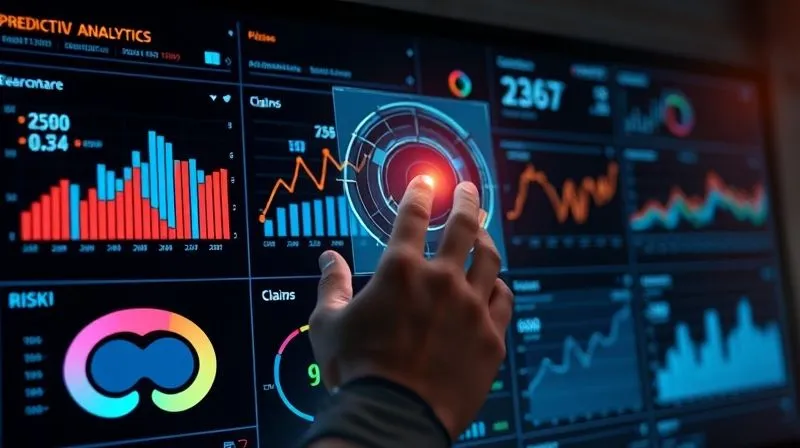
Artificial Intelligence (AI) and machine learning are revolutionizing how we identify and manage high-risk claims. AI can analyze vast datasets to:
- Identify High-Risk Claims: Flag claims with characteristics similar to past nuclear verdicts, allowing for early intervention.
- Predict Claim Outcomes: Estimate potential settlement ranges, informing negotiation strategies.
- Assist Adjusters: Provide adjusters with relevant information, legal precedents, and best practices to streamline investigations and decision-making.
- Detect Fraud: Identify suspicious patterns that might indicate fraudulent claims, which can also contribute to inflated costs.
Telematics and IoT for Loss Prevention
For businesses with vehicle fleets or extensive property, telematics and Internet of Things (IoT) devices offer real-time data that can prevent incidents and provide critical evidence. For example:
- Fleet Management: Telematics in vehicles can monitor driver behavior (speeding, harsh braking), identify risky patterns, and provide evidence in case of an accident.
- Property Monitoring: IoT sensors can detect water leaks, temperature fluctuations, or equipment malfunctions before they cause significant damage or injury to third parties.
Advocacy and Industry Engagement
Some aspects of social inflation are systemic, requiring collective action. Engaging with industry groups and supporting legislative efforts can contribute to a more balanced liability environment for everyone.
Supporting Tort Reform Initiatives
While tort reform efforts have had mixed success, they remain a critical tool for addressing the root causes of social inflation. Supporting industry associations that advocate for reasonable limits on non-economic damages, caps on punitive damages, and other reforms can help level the playing field. Organizations like the U.S. Chamber Institute for Legal Reform are at the forefront of these efforts.
Educating Internal and External Stakeholders
Knowledge is power. Educate your internal teams – management, employees, legal, and finance – about the realities of social inflation and its potential impact. Externally, work with your brokers and public relations teams to subtly communicate your commitment to safety and responsible business practices, counteracting negative public sentiment.
Financial Strategies for Social Inflation Resilience
Even with robust risk management and claims defense, the financial implications of social inflation can be severe. It's crucial to review your insurance program and financial structures to ensure resilience.
Reviewing Policy Limits and Deductibles
In an environment where nuclear verdicts are a real threat, simply carrying statutory minimums or historical limits is no longer sufficient. I strongly advise clients to:
- Assess Adequacy: Work with your broker to conduct a thorough review of your current GL policy limits. Consider the potential for multi-million dollar verdicts and ensure your limits align with your actual exposure.
- Umbrella/Excess Coverage: Strengthen your umbrella and excess liability layers. These policies are critical for protecting your balance sheet from catastrophic claims that breach primary policy limits.
- Deductible Strategy: While higher deductibles can lower premiums, ensure they are balanced against your risk tolerance and cash flow.
Exploring Alternative Risk Transfer Mechanisms
For larger organizations, traditional insurance may not be the only, or even the best, solution. Alternative risk transfer (ART) mechanisms can offer greater control and potentially lower long-term costs in the face of social inflation.
| Strategy | Pros | Cons | Impact on Social Inflation |
|---|---|---|---|
| Increased Deductible | Lower premium, greater control over small claims | Higher out-of-pocket for smaller losses | Minimal direct, but encourages better loss control |
| Captive Insurance | Tailored coverage, profit from underwriting, greater data insight | Significant capital, management overhead | Direct control over defense, long-term cost reduction |
| Self-Insured Retention (SIR) | Reduced premium, flexibility in claim handling | Higher upfront risk, administrative burden | Allows for aggressive defense within SIR, but excess still exposed |
Captive insurance, for example, allows a company to essentially self-insure its own risks, giving it more control over claims handling, defense strategies, and even the ability to invest underwriting profits. This can be a powerful tool for organizations with predictable loss histories and a strong commitment to risk management.
Frequently Asked Questions (FAQ)
Question: How does social inflation differ from economic inflation, and why is it harder to predict?
Answer: Economic inflation is primarily driven by increases in the cost of goods and services due to market forces like supply and demand, often measured by indices like CPI. Social inflation, conversely, is driven by societal factors such as evolving public attitudes towards corporate responsibility, increased litigation funding, and higher jury awards (nuclear verdicts). It's harder to predict because it's influenced by subjective human behavior, legal precedents, and media narratives, rather than quantifiable economic indicators. Its impact on claims severity can be exponential and less linear than economic factors.
Question: What role does litigation funding play in exacerbating social inflation?
Answer: Litigation funding involves third-party investors providing capital to plaintiffs or law firms to cover legal expenses in exchange for a portion of any settlement or award. This capital allows plaintiff attorneys to pursue riskier, larger, and longer cases without financial pressure, increasing their leverage in negotiations. It can encourage attorneys to 'hold out' for larger settlements, contributing directly to the upward pressure on claims costs and the prevalence of nuclear verdicts.
Question: Can small and medium-sized businesses effectively combat social inflation, or is it primarily a large corporation issue?
Answer: While large corporations often face the most prominent nuclear verdicts, small and medium-sized businesses (SMBs) are arguably more vulnerable. They typically have fewer resources for robust risk management, dedicated legal teams, or alternative risk transfer mechanisms. A single large GL claim, exacerbated by social inflation, can be catastrophic for an SMB. Therefore, implementing proactive risk management, swift claims response, and strong insurer partnerships is even more critical for them.
Question: What are the key metrics I should be tracking to understand my exposure to social inflation?
Answer: Beyond traditional loss ratios and frequency, you should track: 1. Average claim severity growth (especially for large claims). 2. Litigation rates (how many claims proceed to litigation). 3. Defense costs as a percentage of total claim cost. 4. Settlement values versus initial demands. 5. Trends in jury verdicts in your operating jurisdictions. 6. The increasing use of litigation funding in claims against you or your peers. These metrics provide a clearer picture of social inflation's specific impact on your business.
Question: Is there a geographical component to social inflation, or is it a nationwide phenomenon?
Answer: Social inflation is a nationwide trend, but its intensity and specific drivers can vary significantly by geography. Some states and jurisdictions are known as 'judicial hellholes' due to their plaintiff-friendly legal environments, less stringent tort reforms, and local jury sentiments. These areas often see a higher frequency of nuclear verdicts and more aggressive litigation. Understanding the legal landscape of your operating regions is crucial for tailoring your risk and claims management strategies.
Key Takeaways and Final Thoughts
Social inflation is not a passing trend; it's a fundamental shift in the liability landscape that demands a strategic, proactive response from every business. Ignoring it is no longer an option. My decades in the P&C space have shown me that those who adapt, innovate, and engage actively are the ones who not only survive but thrive.
- Understand the Drivers: Recognize that social inflation is distinct from economic inflation, fueled by litigation funding, public sentiment, and legal trends.
- Prioritize Prevention: Implement robust safety protocols, compliance measures, and leverage data analytics to prevent incidents before they become claims.
- Master Claims Response: Act swiftly and thoroughly from the first notice of loss, engaging expert legal counsel to control the narrative and defense.
- Build Strong Alliances: Foster transparent, collaborative relationships with your insurers and carefully vet your third-party partners.
- Embrace Technology: Utilize AI, predictive analytics, telematics, and IoT to enhance risk management and claims defense.
- Advocate for Change: Support industry efforts for tort reform and educate stakeholders on the realities of this evolving risk.
- Strengthen Financial Resilience: Review your policy limits, consider higher excess coverage, and explore alternative risk transfer options like captives.
The journey to mitigate social inflation's impact on your GL claims is continuous, requiring vigilance and adaptability. By integrating these strategies into your operational and financial frameworks, you're not just reacting to a threat; you're building a more resilient, future-proof business. Be proactive, be informed, and you will navigate these turbulent waters successfully.
Recommended Reading
- Quantifying Complex Supply Chain Exposure: 7 Proven Frameworks
- Data Breach? 7 Urgent Steps for Cyber Insurance Claims During Data Recovery
- Ultimate Guide: Developing an Enterprise Risk Framework for Business Resilience
- What Crimes Does Commercial Insurance Cover? The Ultimate Guide
- D&O Fraud Claims: How to Secure Board Defense Costs Now





Your email address will not be published. Required fields are marked *