



My Commercial Property Claim for Hurricane Damage Was Denied, What Now?
For over two decades in commercial insurance, I've witnessed firsthand the profound devastation hurricanes can inflict upon businesses. Beyond the immediate physical damage, the emotional and financial toll of a denied insurance claim can feel like a second, equally destructive storm.
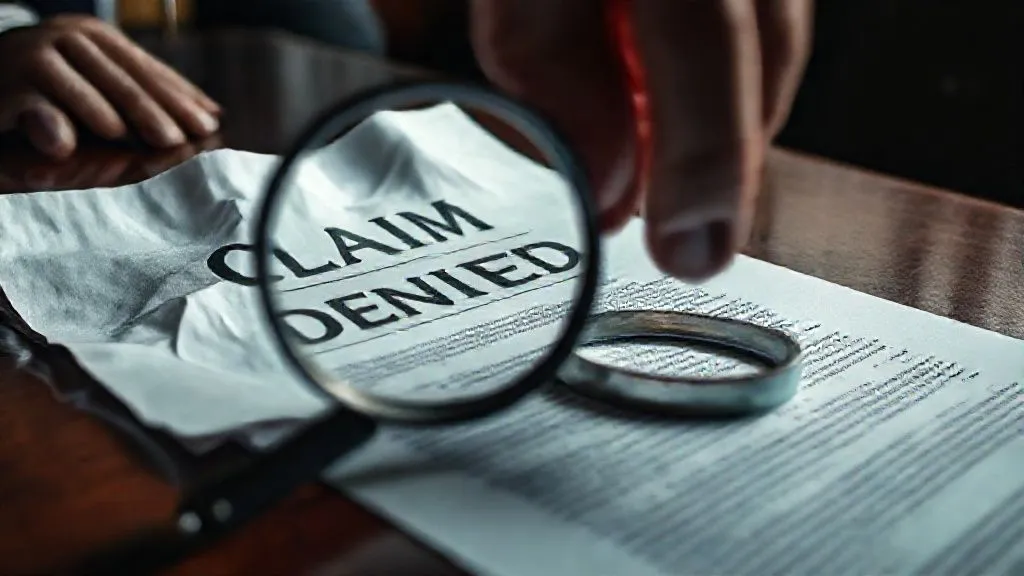
It's a gut-wrenching moment when you receive that letter: your commercial property claim for hurricane damage was denied. You've paid your premiums, diligently prepared for the worst, and now, when you need your coverage most, you're left feeling abandoned and unsure of your next move.
But let me assure you, a denial is rarely the end of the road. In this comprehensive guide, I'll equip you with the expert strategies, actionable frameworks, and critical insights I've gathered over my career to help you challenge that denial and fight for the settlement your business deserves.
Decoding the Denial Letter: Understanding the "Why"
The first, and arguably most critical, step after receiving a denial is to thoroughly understand *why* your claim was rejected. Don't just skim it; dissect every word.
In my experience, commercial hurricane claim denials often stem from a few common issues. These can range from specific policy exclusions you might not have been aware of, to perceived insufficient documentation, or even disputes over the actual cause of damage.
Common reasons for denial typically include:
- Policy Exclusions: Your policy might exclude specific perils, such as flood damage if you only have wind coverage, or damage from wear and tear.
- Insufficient Documentation: Lack of clear photos, detailed estimates, or comprehensive inventory lists can weaken your claim.
- Late Filing: Policies often have strict deadlines for reporting claims and submitting proof of loss.
- Disputed Cause of Damage: The insurer might argue the damage wasn't directly caused by the hurricane but by pre-existing conditions or other factors.
- Underestimated Damage Value: The insurer's adjuster may have valued the loss significantly lower than your estimates, leading to an effective denial of a substantial portion of your claim.
"The denial letter isn't just a rejection; it's a roadmap. It highlights the specific areas where your insurer believes your claim falls short, giving you precise targets for your appeal strategy."
Pay close attention to the specific clauses and policy language cited in the denial. Understanding the insurer's rationale is the foundation upon which you'll build your counter-argument. If your commercial property claim for hurricane damage was denied, understanding this letter is paramount.

Your Policy is Your Blueprint: A Deep Dive into Commercial Coverage
Before you can effectively challenge a denial, you must become intimately familiar with your own commercial property insurance policy. I've seen countless business owners caught off guard because they hadn't truly understood the nuances of their coverage until it was too late.
Think of your policy as the contract that governs your relationship with the insurer. It outlines what's covered, what's excluded, and your responsibilities as the policyholder. Key sections to scrutinize include:
- Declarations Page: This summary page provides essential information like your coverage limits, deductibles, and the policy period.
- Covered Perils: This section explicitly lists the types of events (like windstorm, hail, fire) for which your property is insured. Ensure 'hurricane' or 'windstorm' is clearly listed.
- Exclusions: Crucially, this section details what is *not* covered. Common exclusions include flood (which often requires a separate policy), earthquake, and sometimes, specific types of wind damage if not properly endorsed.
- Conditions: These are the duties you must fulfill after a loss, such as protecting the property from further damage, providing prompt notice, and submitting a detailed proof of loss.
- Endorsements: These are additions or amendments to your standard policy that can either broaden or restrict coverage. Always check for hurricane-specific endorsements or named storm deductibles.
A common pitfall I observe is the confusion between wind damage and flood damage, especially in hurricane scenarios. Most standard commercial property policies cover wind, but flood damage, even from hurricane storm surge, typically requires a separate flood insurance policy. Clarifying this distinction in your policy is vital when your commercial property claim for hurricane damage was denied.
For more detailed information on understanding insurance policies, I often recommend resources from the Insurance Information Institute, a trusted source for consumer information.
The Power of Documentation: Building an Irrefutable Case
When battling a denied claim, the old adage holds true: "If it's not documented, it didn't happen." Your ability to provide compelling, organized evidence is your strongest weapon. This is where you transform anecdotal evidence into undeniable facts.
Start by compiling a comprehensive dossier of everything related to your property and the hurricane event. This should include:
- Pre-Loss Documentation: If you had pre-hurricane photos or videos of your property, now is the time to retrieve them. These establish the condition of your property *before* the damage.
- Post-Loss Photos and Videos: Capture every angle of the damage, both exterior and interior. Include wide shots for context and close-ups for detail. Date and time-stamp these if possible.
- Detailed Repair Estimates: Obtain multiple written estimates from reputable, licensed contractors. Ensure these estimates are itemized and clearly differentiate between hurricane-related damage and pre-existing issues.
- Invoices for Emergency Repairs: Any costs incurred to mitigate further damage (e.g., tarping roofs, boarding up windows) should be meticulously documented with invoices and receipts.
- Communication Logs: Keep a detailed record of every interaction with your insurer – dates, times, names of adjusters or representatives, and a summary of the conversation. Follow up verbal discussions with email confirmations.
- Proof of Loss Statement: This formal document details the extent of your loss. Ensure it's comprehensive and supported by all your collected evidence.
- Business Interruption Records: If your claim includes business interruption, gather financial statements, tax returns, and any records demonstrating lost income due to the hurricane.
Organize this documentation meticulously, both digitally and physically. A well-structured file system makes it easier for you and any professionals you hire to review and present your case effectively.
| Document Type | Purpose | Source |
|---|---|---|
| Pre-Loss Photos/Videos | Establish baseline property condition | Your records |
| Post-Loss Photos/Videos | Visual proof of damage extent | Your records |
| Detailed Repair Estimates | Quantify loss, support repair costs | Licensed contractors |
| Emergency Repair Invoices | Proof of mitigation expenses | Contractors/Vendors |
| Communication Log | Track all insurer interactions | Personal records |
| Business Interruption Records | Quantify lost income | Accounting/Financials |
Challenging the Denial: Your Initial Appeal Strategy
Receiving a denial can be disheartening, but it's crucial to remember it's often just the beginning of a negotiation process. Many claims, especially complex commercial hurricane claims, are initially denied or underpaid.
Your first step is to formally appeal the decision. This needs to be a structured, factual, and assertive process. Here’s a blueprint I’ve often guided clients through:
- Re-Read the Denial Letter (Again!): Pinpoint the exact reasons for denial. Your appeal must directly address each point with evidence.
- Gather All Supporting Evidence: Compile all the documentation discussed earlier. If the denial cited 'insufficient documentation,' this is your chance to fill those gaps.
- Draft a Formal Appeal Letter: This letter should be professional, concise, and persuasive. Clearly state your policy number, claim number, and the date of loss. Address each point of denial, refuting it with specific evidence (e.g., "Your denial states 'no wind damage,' but our engineer's report [attached] clearly shows structural failure consistent with Category 3 winds.").
- Request a Re-inspection: If the insurer's adjuster missed critical damage or based their assessment on incomplete information, formally request a re-inspection. Consider having your own expert (e.g., a structural engineer) present during this re-inspection.
- Escalate Internally: If your appeal to the initial adjuster or claims representative is unsuccessful, request to speak with their supervisor or a claims manager. Sometimes, a fresh pair of eyes can make a significant difference.
"Persistence, coupled with undeniable evidence and a clear, factual presentation, is key. Don't let emotion cloud your communication; stick to the facts and the policy language."
Always send correspondence via certified mail with a return receipt requested, or via email with a read receipt, to maintain a verifiable paper trail. This meticulous approach is vital when your commercial property claim for hurricane damage was denied.
When to Bring in the Professionals: Public Adjusters, Attorneys, and Experts
Sometimes, even with the best documentation and a well-structured appeal, you hit a wall. This is where specialized professionals become invaluable. Knowing when to bring them in can significantly impact the outcome of your claim.
The Role of a Public Adjuster
A Public Adjuster (PA) is an insurance claims expert who works exclusively for the policyholder, not the insurance company. They can:
- Review your policy and the denial letter.
- Conduct an independent assessment of your damage.
- Prepare and present your claim (or appeal) with all necessary documentation.
- Negotiate directly with your insurer on your behalf.
PAs are particularly helpful for complex commercial claims where the damage assessment is extensive or the policy language is ambiguous. They typically work on a contingency basis, taking a percentage of the final settlement.
The Role of an Insurance Attorney
An Insurance Attorney becomes critical when legal issues arise, such as disputes over policy interpretation, allegations of bad faith, or if you're considering litigation. They can:
- Interpret complex legal aspects of your policy and state insurance laws.
- Represent you in negotiations, mediation, or appraisal.
- File a lawsuit if necessary, especially if the insurer is acting in bad faith.
The Role of Independent Experts
For highly technical disputes, you might need Independent Appraisers, Engineers, or Forensic Experts. They can provide unbiased reports on:
- The cause and origin of damage.
- The extent and cost of repairs.
- Structural integrity or specific material failures.
These experts provide the objective, third-party data that can often break a stalemate, especially if the insurer's adjusters or engineers have a conflicting assessment.
Case Study: The Marina Bay Denial Reversal
A mid-sized marina, "Marina Bay," suffered extensive hurricane damage. Their initial claim for structural damage to docks and buildings was denied due to a "flood exclusion." After reviewing the policy, a public adjuster helped them prove significant wind damage occurred *before* the storm surge inundated the property, a crucial distinction the insurer initially overlooked. With robust engineering reports and detailed estimates, they appealed, ultimately securing a substantial settlement that covered repairs and business interruption. This demonstrated the critical importance of specialized expertise in complex claims when your commercial property claim for hurricane damage was denied.
Choosing the right professional depends on the specifics of your denial and the complexity of your case. For information on finding a qualified public adjuster, the National Association of Public Insurance Adjusters (NAPIA) is a valuable resource.
Understanding Appraisal and Mediation: Alternative Dispute Resolution
When direct negotiations and appeals fail, but litigation seems too drastic or costly, alternative dispute resolution (ADR) methods like appraisal and mediation can offer a path forward. I've seen these methods successfully resolve numerous stalemates.
Insurance Appraisal
Appraisal is a process often outlined in your commercial property policy. It's designed to resolve disputes specifically about the *amount* of the loss, not whether the loss is covered. Here's how it typically works:
- Both you and the insurer appoint an independent appraiser.
- These two appraisers then select a neutral umpire.
- If the appraisers cannot agree on the amount of loss, they submit their differences to the umpire.
- An agreement by any two of the three (your appraiser, the insurer's appraiser, or the umpire) determines the amount of loss.
The appraisal process is generally binding on the valuation of the damage. It can be a much faster and less expensive alternative to litigation, especially when the disagreement is purely financial.
Mediation
Mediation involves a neutral third-party mediator who facilitates discussions between you and your insurer. The mediator does not make a decision but helps both parties communicate, understand each other's positions, and explore potential settlement options.
- Mediation is non-binding, meaning you are not obligated to accept any proposed settlement.
- It's an opportunity for both sides to present their case in a less formal setting than a courtroom.
- It can be particularly effective when there's a breakdown in communication or a need to explore creative solutions.
Both appraisal and mediation require thorough preparation and a clear understanding of your position. While they can be very effective, it's often wise to have a public adjuster or attorney guide you through these processes, especially when your commercial property claim for hurricane damage was denied.

Navigating "Bad Faith" Claims: When Your Insurer Acts Unreasonably
While most insurers operate ethically, there are instances where their conduct crosses the line into what's known as "bad faith." This is a serious accusation, and understanding it is crucial, especially if you feel your insurer has acted unfairly after your commercial property claim for hurricane damage was denied.
An insurer acts in bad faith when they unreasonably deny a valid claim, delay payment, or fail to investigate a claim properly. This goes beyond a simple disagreement over the amount of damage; it implies a breach of their contractual duty and often, their duty of good faith and fair dealing.
Examples of potential bad faith conduct include:
- Unreasonable denial of a claim without proper investigation.
- Delaying payment without a legitimate reason.
- Making misrepresentations about policy coverage.
- Refusing to settle a claim when liability is clear.
- Pressuring you to accept a lowball settlement.
- Failing to communicate with you in a timely manner.
If you suspect your insurer is acting in bad faith, document everything meticulously. Keep records of all communications, delays, and any instances where you feel they've acted improperly. This is where an experienced insurance attorney becomes indispensable. They can assess whether you have a legitimate bad faith claim and guide you through the complex legal process, which could lead to damages beyond the original claim amount.
For more insights into what constitutes a bad faith claim, you might find articles from reputable legal firms specializing in insurance law, such as those published by Forbes Advisor on Bad Faith Insurance, to be very informative.
Proactive Measures: Protecting Your Business for Future Storms
The experience of having your commercial property claim for hurricane damage denied is a harsh but potent lesson. It underscores the importance of proactive measures to safeguard your business against future catastrophic events. Learning from this challenge is key to building resilience.
I always advise my clients to implement a robust preparedness strategy:
- Annual Policy Review: Don't wait for a storm. Review your commercial property policy annually with your insurance broker. Ensure coverage limits are adequate, endorsements are appropriate, and you understand all exclusions, especially related to named storms, wind, and flood.
- Pre-Storm Documentation: Create a detailed inventory of your business assets and property condition *before* a storm hits. This includes dated photos and videos of your exterior, interior, roof, and valuable equipment. Store these off-site or in the cloud.
- Emergency Action Plan: Develop and regularly update a comprehensive emergency plan for your business. This should include procedures for securing the property, employee safety, data backup, and business continuity.
- Business Interruption Insurance: Re-evaluate your business interruption coverage. Does it adequately cover lost income, continuing expenses, and extra expenses incurred to get your business back on its feet after a major disruption?
- Property Mitigation & Resilience: Invest in measures to make your property more resilient to hurricane damage. This could include reinforced windows, hurricane shutters, updated roofing, and proper drainage systems.
Taking these steps not only reduces your risk but also provides invaluable evidence should you ever need to file another claim. A well-prepared business is a resilient business, capable of navigating the unpredictable challenges of nature and the complexities of insurance claims.

Frequently Asked Questions (FAQ)
Q: How long do I have to appeal a denied commercial hurricane claim? A: The timeframe for appealing a denied claim varies significantly by state and by the specific terms of your insurance policy. Generally, you'll have a limited window, often 60 days to a year, from the date of denial to file a formal appeal or proof of loss. It's crucial to consult your policy and, if necessary, an attorney or public adjuster immediately to understand your specific deadlines. Missing these deadlines can severely jeopardize your ability to reopen or appeal your commercial property claim for hurricane damage.
Q: Can I reopen a claim after I've accepted a previous settlement? A: Reopening a claim after accepting a settlement is extremely difficult, as settlements usually involve signing a release of all future claims related to that specific loss. However, there can be exceptions, particularly if new damage is discovered that was latent and not reasonably discoverable at the time of the original settlement, or if there's evidence of fraud or bad faith on the part of the insurer. This would almost certainly require legal counsel.
Q: What if my insurer insists the damage is wear and tear, not hurricane-related? A: This is a common dispute point. Your best recourse is to obtain independent expert opinions. Hire a licensed structural engineer or a qualified contractor to conduct a thorough assessment and provide a report explicitly stating that the damage is consistent with hurricane forces and not due to pre-existing wear and tear. This independent evidence can directly counter your insurer's assessment and strengthen your appeal.
Q: What's the typical cost of hiring a public adjuster or attorney for a denied claim? A: Public adjusters typically work on a contingency fee basis, meaning they take a percentage (often 10-15%) of the final claim settlement. Insurance attorneys may also work on contingency, or they might charge hourly fees, especially for complex litigation. It's essential to discuss their fee structure upfront and weigh the potential costs against the potential increase in your settlement. While there's an expense, their expertise often leads to a significantly higher payout than you might achieve alone.
Q: My policy has a 'named storm deductible.' How does that affect my claim? A: A named storm deductible is a separate deductible that applies specifically to damages caused by a hurricane or other named storm. It is often a percentage (e.g., 1% to 5%) of your property's insured value, rather than a fixed dollar amount. This can result in a much higher out-of-pocket expense for hurricane damage compared to your standard deductible. Understanding this deductible is critical, as it directly impacts the net amount you will receive from your insurer, even if your commercial property claim for hurricane damage was not denied outright.
Key Takeaways and Final Thoughts
Having your commercial property claim for hurricane damage denied is a daunting challenge, but it is far from insurmountable. Throughout my career, I've seen countless businesses successfully navigate this complex landscape by being informed, persistent, and strategic.
- Understand Your Denial: The denial letter is your starting point; dissect it to understand the insurer's specific reasons.
- Master Your Policy: Know your coverage, exclusions, and duties inside and out.
- Document Everything: Build an irrefutable case with detailed photos, estimates, and communication logs.
- Appeal Strategically: Present a factual, well-supported appeal directly addressing the denial points.
- Engage Professionals: Don't hesitate to involve public adjusters, attorneys, or independent experts when needed.
- Consider ADR: Explore appraisal or mediation for efficient dispute resolution.
- Learn & Prepare: Use this experience to strengthen your business's future resilience and insurance readiness.
Remember, you are not alone in this fight. With the right knowledge and expert support, you can challenge that denial and secure the fair settlement your business needs to rebuild and thrive. Stay persistent, stay organized, and don't give up on fighting for what you're rightfully owed.
Recommended Reading
- Limited Vision Networks? 7 Strategies to Boost Employee Satisfaction
- Jump Starting Car: Roadside Assistance Cost? The Shocking Truth
- Denied? 7 Steps to Successfully Appeal Your Commercial Auto Claim
- Unlock Lasting Legacy: How to Use Life Insurance for Family Wealth Preservation
- Navigating Sensitive Life Claim Denials: 7 Steps for Empathetic Communication




Your email address will not be published. Required fields are marked *