


What Type of Water Damage Does Home Insurance Cover?
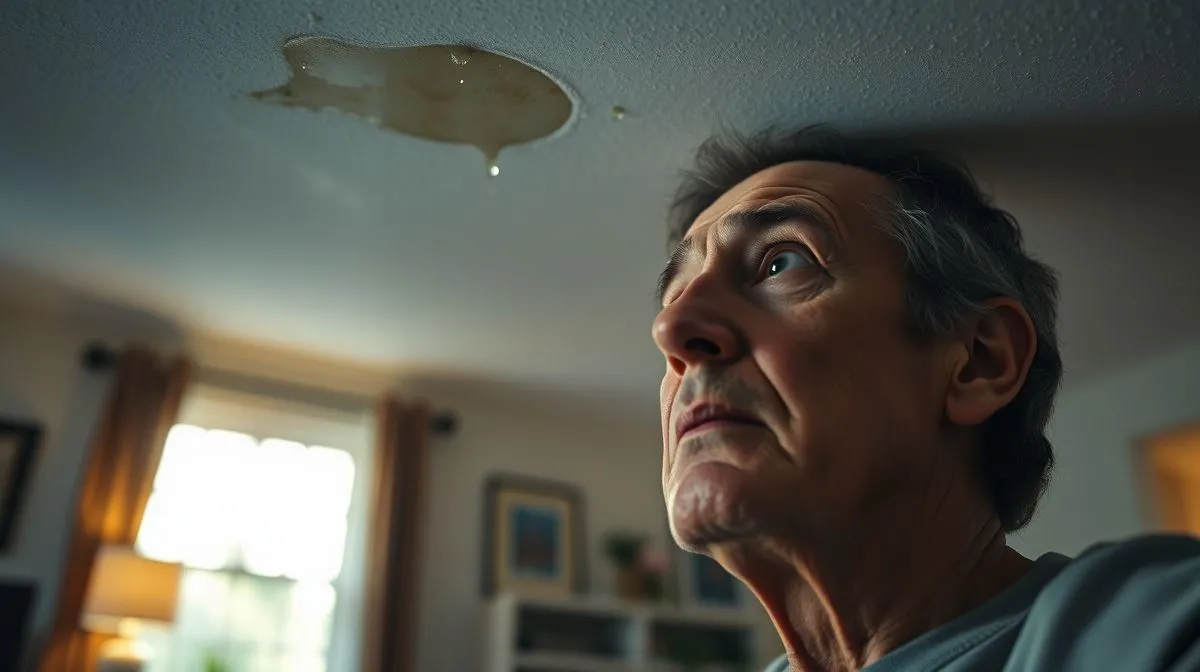
Imagine this: You wake up on a quiet Saturday morning, brew your coffee, and step into the kitchen, only to find a spreading puddle beneath your refrigerator. Or perhaps, after a furious thunderstorm, you notice a tell-tale damp spot growing on your ceiling. These are the moments when a homeowner’s heart sinks, and the immediate, urgent question arises: Is this covered by my home insurance?
Water damage is one of the most common and costly homeowner claims, yet the specifics of what is, and isn’t, covered can be incredibly confusing. It’s not as simple as 'water = covered' or 'water = not covered.' The type of water, its source, and the circumstances surrounding the damage all play critical roles in determining your policy’s response.
This comprehensive guide will demystify the complexities of water damage insurance, breaking down the nuances of standard policies, common exclusions, and crucial steps to take when disaster strikes. By the end of this reading, you'll possess the knowledge to understand your coverage, mitigate risks, and navigate the claims process with confidence.
Understanding the Basics: Standard Homeowners Policy and Water Damage
Most standard homeowners insurance policies (HO-3 being the most common) are designed to protect against a wide range of perils, and many types of water damage fall under this umbrella. However, the key lies in the definition of 'sudden and accidental' versus 'gradual' or 'preventable' damage. This distinction is paramount in the world of insurance claims.
"Sudden and Accidental" vs. Gradual Damage
The cornerstone of water damage coverage in a standard policy is often the phrase "sudden and accidental discharge or overflow of water or steam." This typically refers to unforeseen events like a burst pipe, a washing machine hose rupturing, or a frozen pipe thawing and leaking. The damage must be unexpected and happen quickly.
Conversely, damage caused by a slow, long-term leak, such as a dripping faucet that gradually rots wood over months, is usually not covered. Insurers view this as a maintenance issue that the homeowner should have identified and addressed. This also applies to issues like persistent roof leaks that are left unrepaired, leading to extensive damage over time.
Named Perils and Exclusions
Homeowners policies often operate on either a 'named peril' basis or an 'open peril' basis. While open peril policies cover everything except what’s specifically excluded, named peril policies only cover what’s listed. For water damage, common covered perils include damage from:
- Burst pipes or appliances
- Freezing pipes
- Accidental discharge from plumbing, heating, or air conditioning systems
- Fire extinguishment (water used to put out a fire)
- Theft or vandalism (leading to water damage, e.g., pipes intentionally broken)
Crucially, what type of water damage does home insurance cover often hinges on understanding these specific inclusions and, more importantly, the explicit exclusions. These exclusions are where many homeowners find themselves surprised and unprotected.
Common Types of Covered Water Damage
While the 'sudden and accidental' rule is central, let's explore specific scenarios where your home insurance typically steps up to the plate. Understanding these common instances can provide peace of mind and clarity.
Burst Pipes and Appliance Leaks
This is perhaps the most straightforward type of covered water damage. If a pipe suddenly bursts due to cold weather, old age, or a defect, and causes damage to your walls, flooring, or furniture, your standard policy will likely cover the resulting damage. Similarly, if a hose on your washing machine ruptures, or a dishwasher leaks unexpectedly, the damage to your property is generally covered.
However, it's important to note that while the damage *caused* by the burst pipe or leaking appliance is covered, the cost to repair or replace the pipe or appliance itself might not be. Policies focus on the resulting property damage, not the source of the failure unless it's explicitly included in an endorsement.
Storm-Related Water Damage (Wind-driven rain, broken windows)
Water damage stemming from perils like windstorms, hail, or lightning is typically covered under your standard policy. For instance, if a strong windstorm rips off shingles from your roof, allowing rain to pour into your attic and damage ceilings or walls, this would generally be covered. The key here is that the water entered due to a covered peril (the windstorm damaging the roof), not just rain seeping in through a poorly maintained structure.
Similarly, if a tree falls on your house during a storm, breaking a window and allowing water to enter, the resulting water damage would be covered because the tree falling (a covered peril) was the initiating event. It's the 'cause and effect' that matters to the insurer.
Fire Extinguishment Damage
While often overshadowed by the direct fire damage, the water used by firefighters to extinguish a blaze can cause significant destruction. Fortunately, most standard home insurance policies cover this secondary damage. If your home is saved from fire but suffers extensive water damage from hoses or sprinklers, your policy will typically cover the costs of drying out, repairing, and restoring your property from this water-related consequence.
The Big Exclusions: What Home Insurance Typically DOESN'T Cover
Now for the critical part: understanding the types of water damage that are almost universally excluded from standard homeowners policies. This is where many homeowners find themselves caught off guard, highlighting the importance of specialized coverage.
Flood Damage (The NFIP Distinction)
This is arguably the most significant and misunderstood exclusion. Standard homeowners insurance policies do not cover flood damage. A flood is defined as an overflow of inland or tidal waters, or unusual and rapid accumulation or runoff of surface waters from any source. This includes rising water from rivers, lakes, torrential rainfall leading to widespread pooling, or storm surges.
For flood coverage, homeowners must purchase a separate policy, typically through the National Flood Insurance Program (NFIP), a federal program. Even a small amount of rising water can cause catastrophic damage, making flood insurance a critical consideration for properties in flood zones or even those adjacent to them.
Sewer Backups and Sump Pump Failures
Another common exclusion is damage caused by water that backs up through sewers or drains, or overflows from a sump pump. While these events can cause significant damage to basements and lower levels, they are generally not covered by a standard policy. The logic here is often related to the infrastructure outside the home or specific mechanical failures.
However, most insurers offer an affordable endorsement (an add-on) to your policy that specifically covers sewer backup and sump pump overflow. This is a highly recommended addition, especially for homes with basements or those in areas with older municipal sewer systems.
Gradual Leaks and Neglect
As mentioned earlier, damage resulting from a slow, persistent leak that could have been prevented through reasonable maintenance is typically not covered. This includes water damage from a leaky roof that's gone unrepaired for months, a constantly dripping pipe under a sink, or long-term seepage through a cracked foundation.
Insurers expect homeowners to maintain their property and address minor issues before they become major problems. If the damage is determined to be a result of neglect or a lack of maintenance, your claim will likely be denied. This underscores the importance of routine home inspections and prompt repairs.
Mold Infestation (and when it *is* covered)
Mold is a tricky subject. Generally, mold damage is excluded from standard policies. However, there's a critical exception: if the mold is a direct result of a covered peril, then the mold remediation might be covered. For example, if a sudden burst pipe (a covered peril) leads to water damage, and mold subsequently grows because of that water damage, the mold remediation would likely be covered, often up to a specific sub-limit.
If the mold is due to a long-standing, unaddressed moisture issue (like a chronic leaky shower or high humidity) or a non-covered peril (like a flood), it will not be covered. Some policies offer endorsements for additional mold coverage, which can be valuable in certain climates or situations.
Navigating the Gray Areas: Proving Your Claim
Even when a type of water damage is generally covered, the claims process can be complex. Successfully navigating it often comes down to clear communication, thorough documentation, and understanding your policy's specifics. Knowing what type of water damage does home insurance cover is one thing; proving it is another.
The Importance of Immediate Action
When water damage occurs, your first priority is safety, followed immediately by mitigating further damage. Shut off the water source if possible, and begin drying out the affected area. This isn't just about saving your home; it's also a policy requirement. Insurers expect you to take reasonable steps to prevent the damage from worsening. Failure to do so could jeopardize your claim.
Documentation is Key
Before you start cleaning up extensively, document everything. Take copious photos and videos of the damage, the source of the water (if identifiable), and any affected belongings. Keep detailed records of all conversations with your insurer, contractors, and remediation companies. Maintain receipts for any immediate repairs or mitigation efforts you undertake.
This evidence will be crucial in supporting your claim and proving the extent of the damage. Without proper documentation, it becomes your word against the insurer's assessment, which can lead to disputes and delays.
Working with Your Adjuster
Your insurance adjuster is the person who will assess the damage and determine the payout. Be cooperative, but also be an informed advocate for yourself. Provide them with all your documentation. Don't be afraid to ask questions about their assessment, the claims process, and what your policy covers. If you disagree with their initial assessment, you have the right to challenge it, often by providing additional evidence or seeking a second opinion from a reputable contractor.
Proactive Measures: Protecting Your Home and Policy
Understanding what type of water damage does home insurance cover is vital, but prevention is always the best strategy. Proactive measures can save you from the headache of a claim and potentially higher premiums.
Regular Maintenance and Inspections
A well-maintained home is less susceptible to water damage. Regularly inspect your roof for damaged shingles, clean your gutters to prevent overflows, and check your plumbing for slow leaks or corrosion. Test your sump pump periodically. These simple tasks can identify potential problems before they escalate into major, uninsured incidents. Consider professional home inspections every few years to catch hidden issues.
Considering Additional Endorsements (Sewer Backup, Sump Pump, Mold)
Given the significant exclusions in standard policies, it's wise to discuss additional coverage options with your insurance agent. Endorsements for sewer backup and sump pump overflow are relatively inexpensive and provide crucial protection against common water perils not covered otherwise. If you live in a humid climate or have had past moisture issues, consider additional mold coverage as well.
Understanding Your Policy Limits and Deductibles
Even when water damage is covered, your policy has limits and deductibles. The limit is the maximum amount your insurer will pay for a covered loss. The deductible is the amount you pay out-of-pocket before your insurance kicks in. Be aware of these figures. A higher deductible means lower premiums but a larger initial cost during a claim. Ensure your coverage limits are adequate to rebuild your home and replace your belongings in the event of severe water damage.
What to Do When Water Damage Strikes: A Step-by-Step Guide
When faced with water damage, a clear, calm approach can make a significant difference in the outcome of your claim and the extent of the damage.
Prioritizing Safety
Your immediate concern should be safety. If the water is near electrical outlets or appliances, turn off the main power supply to avoid electrocution. If the water is from a contaminated source (like sewage), avoid contact and open windows for ventilation. Do not re-enter areas that are structurally compromised.
Mitigating Further Damage
Once safe, stop the water source if possible (e.g., turn off the main water valve). Remove valuable items, furniture, and electronics from the affected area to prevent further damage. Use buckets, towels, and wet/dry vacuums to remove standing water. Set up fans or dehumidifiers to begin the drying process. Remember, timely mitigation is a policy requirement, not just a suggestion.
Contacting Your Insurer
As soon as the immediate situation is stable, contact your insurance company. The sooner you report the claim, the better. Be prepared to provide details about the incident, including its cause, the extent of the damage, and any steps you've taken to mitigate it. Follow their instructions regarding documentation and next steps, which will likely involve an adjuster visit.
The Long-Term Impact: Beyond the Repair
Water damage isn't just about the immediate cleanup and repair costs. Its implications can extend far into the future, affecting both your home's integrity and value.
The Hidden Dangers of Unaddressed Water Damage
Beyond the visible puddles and stains, water damage poses insidious threats. Unaddressed moisture can lead to structural rot, compromising the integrity of your home's framing, floors, and walls. It also creates a breeding ground for mold and mildew, which can cause significant health issues, including respiratory problems, allergies, and skin irritation. These hidden dangers emphasize the importance of thorough drying and professional remediation after any water incident.
Maintaining Home Value Post-Damage
Even after repairs, a history of significant water damage can sometimes affect your home's resale value, especially if not fully and professionally remediated. Buyers are increasingly wary of homes with a history of water issues or mold. Ensuring all repairs are done to a high standard, obtaining certifications for mold remediation, and keeping meticulous records of the repair process can help preserve your home's long-term value and provide assurance to future owners. According to a study by the Insurance Information Institute, water damage claims are among the most frequent, underscoring the need for comprehensive understanding and swift action. (Insurance Information Institute)
Frequently Asked Questions (FAQ)
Is mold from a water leak covered by insurance? Mold is generally covered only if it results from a sudden and accidental water event that is itself covered by your policy, like a burst pipe. Mold from long-term leaks or neglect is typically excluded. Many policies have sub-limits for mold remediation, and some offer additional mold coverage as an endorsement.
Does homeowners insurance cover damage from a leaky roof? If a sudden event, like a windstorm, damages your roof and causes a leak, the resulting water damage is usually covered. However, damage from a roof that leaks due to age, poor maintenance, or wear and tear over time is typically not covered, as it's considered a preventable issue.
What's the difference between water damage and flood damage? Standard home insurance covers water damage from internal sources (like burst pipes) or specific external perils (like wind-driven rain through a damaged roof). Flood damage, which is water rising from the ground, rivers, or heavy rainfall causing widespread pooling, is explicitly excluded and requires a separate flood insurance policy.
How long do I have to file a water damage claim? Most insurance policies require you to report a claim within a 'reasonable' amount of time, which can vary by state and policy. It's always best to report water damage as soon as you discover it to avoid any issues related to delayed notification. Check your specific policy or contact your agent for the exact timeframe.
Will a water damage claim raise my premiums? Filing a water damage claim can potentially lead to an increase in your premiums, especially if it's a significant claim or if you've filed multiple claims in a short period. Insurers assess risk, and frequent claims can indicate a higher risk. However, minor claims might have less impact, and some insurers offer claim-free discounts.
Recommended Reading
- Pet Insurance Deductible: What Does It Really Cover? Find Out!
- Disability Rider: Is the Cost Really Worth It? Find Out Now!
- What Crimes Does Commercial Insurance Cover? The Ultimate Guide
- Mortgage Insurance: How Much Will Your Lender Require?
- Policy Wording Ambiguity: How It Impacts Your Insurance Claims
Conclusion
Navigating the world of home insurance and water damage can feel like deciphering a complex code, but understanding the fundamental distinctions between what is typically covered and what is excluded is your most powerful tool. From sudden pipe bursts to the subtle creep of a neglected leak, what type of water damage does home insurance cover truly depends on the specific circumstances and the language of your policy. By prioritizing preventative maintenance, understanding your policy's nuances, considering crucial endorsements like sewer backup coverage, and acting swiftly and meticulously when damage occurs, you can significantly protect your most valuable asset – your home – and ensure you're prepared for whatever unexpected water events life may bring.



Your email address will not be published. Required fields are marked *