



Why Did My Commercial Auto Insurance Renewal Rates Spike Suddenly?
For over 20 years in the commercial auto insurance sector, I've witnessed the ebb and flow of premium cycles, but nothing quite prepares a business owner for the shock of a sudden, significant rate spike at renewal. It's a question I hear constantly: 'Why did my commercial auto insurance renewal rates spike suddenly?' It's frustrating, often unexpected, and can severely impact a business's bottom line.
I understand that feeling of bewilderment. One day, your fleet is covered at a predictable cost, and the next, you're staring at a renewal notice that feels like a punch to the gut. This isn't just about a few extra dollars; for many small to mid-sized businesses, an unexpected increase in commercial auto insurance can necessitate tough decisions, from delaying equipment upgrades to cutting into profit margins.
In this definitive guide, I'll pull back the curtain on the complex world of commercial auto insurance. We'll dissect the myriad factors, both internal and external, that contribute to these sudden spikes. More importantly, I'll provide you with actionable frameworks, real-world insights, and expert strategies to not only understand why your rates jumped but also how to proactively manage and potentially mitigate these costs in the future.
The Shifting Sands of the Insurance Market: Macro Factors at Play
Before we delve into your specific business, it’s crucial to understand that commercial auto insurance doesn't operate in a vacuum. The broader economic and industry landscape plays a significant role in overall pricing trends. I often tell my clients, 'You're sailing in a larger ocean, and sometimes, the currents shift unexpectedly.'
Inflation and Economic Pressures
One of the most pervasive, yet often overlooked, reasons for rising commercial auto insurance rates is inflation. Over the past few years, we've seen a significant uptick in the cost of everything from parts and labor for vehicle repairs to the price of new vehicles themselves. When it costs an insurer more to repair or replace a damaged commercial vehicle, or to cover medical expenses for injured parties, those increased costs are inevitably passed on to policyholders.
Expert Insight: "Inflation isn't just a general economic term for businesses; it's a direct driver of increased claims payouts, which in turn fuels higher premiums across the board. Every percentage point increase in repair costs translates to higher underwriting risk for insurers."
This economic reality extends beyond physical damage. Medical inflation impacts bodily injury claims, and even the cost of legal services for liability cases has risen. Insurers must adjust their actuarial models to account for these higher potential payouts, leading directly to higher renewal quotes for businesses like yours.
Increasing Accident Frequency and Severity
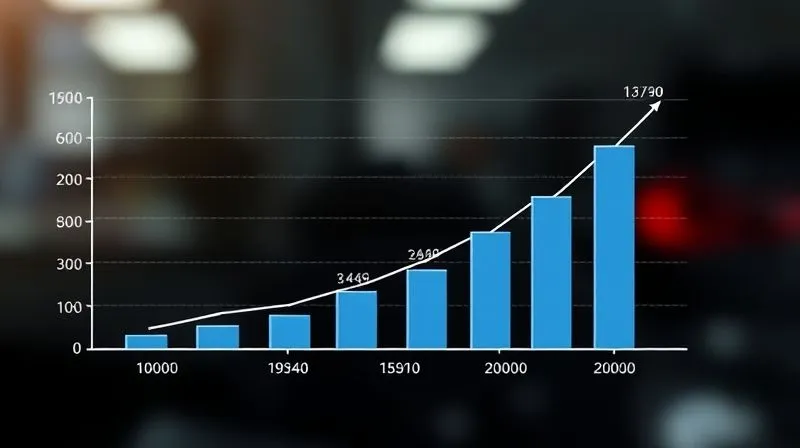
Unfortunately, data suggests a concerning trend: accidents involving commercial vehicles are becoming both more frequent and more severe. Factors contributing to this include increased traffic congestion, distracted driving (both by commercial drivers and other motorists), and the growing size and weight of many commercial vehicles, which can lead to greater damage and more serious injuries in a collision.
According to the National Highway Traffic Safety Administration (NHTSA), large truck and bus crash fatalities have shown an upward trend in recent years, highlighting the escalating risks on our roads. When insurers see a rise in the number and cost of claims being paid out across the industry, they must adjust their pricing models to reflect this elevated risk environment. This is a collective burden, impacting even businesses with stellar safety records.
Regulatory Changes and Legal Climate
The legal and regulatory landscape also plays a critical role. Changes in state-specific liability laws, increased jury awards in accident lawsuits (often referred to as 'social inflation'), and evolving compliance requirements can significantly increase an insurer's exposure. For instance, some states have raised minimum liability limits, meaning insurers are on the hook for larger potential payouts.
In my experience, a particularly challenging aspect is the 'nuclear verdict' phenomenon, where juries award exceptionally high damages in liability cases, often driven by emotional appeals rather than strict financial losses. These verdicts, while rare, send ripples through the entire insurance industry, forcing companies to hold larger reserves and price policies accordingly to protect against catastrophic losses. The Insurance Information Institute (III) frequently publishes data on these trends, underscoring their impact.
Your Business's Risk Profile: Internal Factors Driving Up Costs
While macro trends are important, I often find that the most impactful reasons for a sudden spike in commercial auto insurance rates lie within your own operations. Insurers are in the business of assessing risk, and your business's unique profile is meticulously scrutinized.
Claims History: The Biggest Culprit
This is, without a doubt, the most common and direct reason for a sudden rate spike. Your business's claims history is a crystal ball for insurers, indicating future likelihood of claims. A single at-fault accident, especially one involving significant property damage or bodily injury, can dramatically alter your risk profile. Multiple claims, even minor ones, signal a higher propensity for future incidents.
Insurers typically look back 3-5 years at your claims history. Even if a claim was settled a year or two ago, its impact can linger and manifest as a significant premium increase at your next renewal. It's not just about the cost of the claim; it's about the perceived increased risk that your operations pose.
Case Study: How Alpha Logistics Tackled Rising Claims
Case Study: How Alpha Logistics Tackled Rising Claims
Alpha Logistics, a regional delivery company with 15 vans, faced a 40% premium increase at renewal after two significant at-fault accidents within an 18-month period. Their previous rates had been stable, leading to a sudden shock. Instead of simply accepting the new rates, their operations manager, Sarah, engaged with her broker and implemented a comprehensive safety overhaul.
They installed telematics devices in all vehicles, initiated mandatory monthly defensive driving courses, and introduced a bonus system for drivers with zero incidents. While the initial rate increase was unavoidable, by demonstrating a proactive commitment to safety and showing a measurable reduction in minor incidents (tracked by telematics) over the next year, they were able to negotiate a more favorable renewal rate, eventually reducing their premium by 15% from the spiked amount. This resulted in improved driver behavior, fewer incidents, and long-term cost savings.
To illustrate the direct correlation, consider this simplified view:
| Claims in Past 3 Years | Premium Impact |
|---|---|
| 0-1 Minor | Minimal to Low Increase |
| 1 Major OR 2-3 Minor | Moderate (10-25%) Increase |
| 2+ Major OR 4+ Minor | Significant (25-50%+) Increase |
| Severe / Catastrophic | Potential Non-Renewal or Extreme Spike |
Fleet Changes and Vehicle Specifications
Have you recently added new vehicles to your fleet? Upgraded to larger, more expensive trucks? Modified existing vehicles? Any of these changes can trigger a premium increase. Newer vehicles, while often safer, are more expensive to repair or replace. Larger vehicles, like heavy-duty trucks, inherently carry higher liability risks due to their potential for greater damage in an accident.
Even seemingly minor modifications, if not disclosed, can impact coverage and rates. It's crucial to inform your insurer about any changes to your fleet as they occur, rather than waiting for renewal. This ensures accurate coverage and avoids unexpected adjustments.
Driver Record and Safety Programs
Your drivers are the backbone of your commercial auto risk profile. A deterioration in your overall driver safety record can be a major factor. If multiple drivers on your policy accumulate moving violations, or if new hires have poor Motor Vehicle Records (MVRs), insurers will view your fleet as a higher risk. I always emphasize that your drivers' actions directly reflect on your business's insurance costs.
If your business lacks formal safety policies or driver training programs, insurers might perceive a higher risk compared to competitors who prioritize safety. Implementing robust safety measures can be a long-term strategy to stabilize and even reduce premiums.
- Regular MVR Checks: Annually review the driving records of all insured drivers.
- Defensive Driving Training: Enroll drivers in accredited defensive driving courses.
- Safety Meetings: Conduct regular safety briefings to reinforce best practices.
- Vehicle Maintenance: Implement a strict preventive maintenance schedule for all vehicles.
- Telematics Implementation: Consider installing telematics devices to monitor driving behavior and encourage safer habits.
Geographic Location and Operating Radius
Where your vehicles operate and are garaged also matters. If your business has expanded into new, higher-risk territories (e.g., densely populated urban areas with higher accident rates, or regions prone to severe weather), your premiums can increase. Similarly, if your operating radius has significantly expanded, exposing your fleet to more miles and varied road conditions, this can also be a factor.
Even if your base of operations hasn't changed, a general increase in crime rates or vehicle theft in your primary operating areas can lead to higher comprehensive and collision premiums. Insurers use granular geographic data to assess these localized risks.
Understanding Underwriting Decisions: The Insurer's Perspective
Understanding how insurers think is key to demystifying a rate spike. They're not just pulling numbers out of thin air; their decisions are rooted in sophisticated data analysis and risk management principles.
Actuarial Data and Risk Assessment Models
Insurance companies employ actuaries who are essentially statisticians for risk. They analyze vast amounts of data – industry-wide accident statistics, claims payouts, economic forecasts, and your specific claims history – to predict the likelihood and potential cost of future claims. When these models indicate an increased risk, either generally or specific to your business, rates adjust upwards.
These models are constantly refined. What might have been considered an acceptable risk profile five years ago could be re-evaluated as high-risk today, especially in a tightening market. This continuous refinement can sometimes lead to unexpected changes at renewal.
Changes in Underwriting Guidelines
Even if your business's risk profile hasn't changed, your insurer's internal underwriting guidelines might have. Due to sustained losses in the commercial auto sector, many insurers have become more conservative. They might be:
- Reducing their appetite for certain types of businesses or fleet sizes.
- Tightening their criteria for driver MVRs.
- Increasing deductibles or requiring higher liability limits.
- Exiting certain markets or states entirely.
The Impact of Your Industry Sector
Certain industries inherently carry higher risks for commercial auto insurance. For example, long-haul trucking, construction, waste management, and even certain delivery services face higher exposure to accidents, theft, and severe claims. If your business operates in one of these sectors, you're more susceptible to industry-wide rate increases, especially if the sector as a whole is experiencing escalating claims.
Market conditions for your specific industry can also play a role. A boom in construction, for instance, might mean more trucks on the road, more congestion, and a higher likelihood of incidents, leading to increased premiums for all construction businesses.
Proactive Strategies: How to Mitigate Future Spikes
Now that we've explored the 'why,' let's focus on the 'what to do.' While some factors are beyond your control, there are significant steps you can take to manage your commercial auto insurance costs.
Review Your Coverage Annually and Shop Around
My number one piece of advice: never auto-renew without scrutiny. Your business changes, the market changes, and your needs evolve. An annual review of your policy is not just a formality; it's an opportunity to optimize.
- Assess Coverage Needs: Are your vehicles still correctly valued? Do you need the same level of comprehensive or collision coverage for older vehicles?
- Deductibles: Could you take on a higher deductible to lower your premium, assuming you have the financial reserves to cover it?
- Shop the Market: Work with an independent commercial insurance broker who can access quotes from multiple carriers. Different insurers have different appetites for risk, and one might offer more favorable terms for your specific business profile. Don't be afraid to compare.

Implement Robust Safety Protocols and Driver Training
This is where you exert direct control over your risk. A strong safety culture is your best defense against high premiums. I've seen countless businesses significantly reduce their long-term insurance costs by investing in proactive safety measures.
- Mandatory Driver Training: Implement a continuous training program that goes beyond basic licensing. Focus on defensive driving, hazard perception, and specific challenges related to your industry (e.g., backing up large vehicles, securing loads).
- Telematics and Driver Monitoring: Install GPS and telematics systems. These can monitor speed, harsh braking, rapid acceleration, and even seatbelt usage. Use the data not for punishment, but for coaching and identifying areas for improvement. Many insurers offer discounts for telematics usage.
- Pre-Employment Screening: Maintain stringent hiring standards for drivers, including thorough MVR checks and potentially road tests.
- Regular Vehicle Maintenance: A well-maintained fleet is a safer fleet. Stick to manufacturer-recommended service schedules and address any issues promptly.
Optimize Your Claims Management Process
Even with the best safety protocols, accidents can happen. How you manage a claim after an incident can influence its severity and impact on your future premiums.
- Prompt Reporting: Report all accidents to your insurer immediately, even if they seem minor. Delayed reporting can complicate investigations and increase costs.
- Thorough Documentation: Train drivers to meticulously document accident scenes with photos, witness statements, and detailed reports. This information is invaluable for defense against fraudulent or exaggerated claims.
- Cooperate with Insurer: Work closely with your insurer during the claims process. Providing timely information and assistance can expedite resolution and potentially mitigate costs.
Utilize Deductibles and Self-Insurance Options Wisely
Adjusting your deductible is a direct way to influence your premium. A higher deductible means you assume more of the initial financial risk per claim, and the insurer charges you less. However, this strategy requires careful consideration:
- Financial Capacity: Ensure your business has sufficient cash reserves to cover the deductible for multiple potential claims.
- Risk Tolerance: Are you comfortable taking on more direct financial responsibility?
For larger fleets, some businesses explore self-insurance options or captive insurance programs. These are complex arrangements where a company essentially insures its own risks, often through a subsidiary. While potentially offering significant long-term savings, they require substantial capital and expertise, and are typically only suitable for very large organizations. For most small and mid-sized businesses, optimizing deductibles within traditional policies is the more practical approach.
Frequently Asked Questions (FAQ)
How far back do insurers look at claims history when determining renewal rates? In my experience, most commercial auto insurers typically review claims history for the past three to five years. However, severe or high-cost claims can have a longer-lasting impact, sometimes affecting rates for up to seven years. The exact look-back period can vary by carrier and state regulations.
Can telematics really lower my commercial auto premiums, and how quickly? Yes, telematics can absolutely lower your premiums, but it's usually not an immediate fix. Many insurers offer upfront discounts for installing telematics devices, typically ranging from 5-15%. The more significant savings come over time as your business demonstrates a consistent pattern of safe driving behavior, which can lead to further discounts at subsequent renewals. It's a commitment to continuous improvement.
What if I have a clean driving record and my fleet has no claims, but my rates still spiked? This is frustratingly common and often points to the macro-economic and industry-wide factors we discussed. Inflation, increasing accident severity across the industry, regulatory changes, or your insurer's specific underwriting guideline shifts can all drive up rates, even for low-risk businesses. It's crucial to still shop around, as a different insurer might have a more favorable view of your specific risk profile in the current market.
Should I consider a different type of policy, like an umbrella policy, to mitigate commercial auto risk? An umbrella policy is a fantastic addition for enhanced liability protection, extending coverage beyond the limits of your primary commercial auto, general liability, and employer's liability policies. While it doesn't directly lower your auto premium, it provides crucial additional financial protection against catastrophic claims, which can be invaluable in today's litigious environment. It's a layer of defense, not a direct cost-reducer for the auto policy itself.
Is it always best to switch insurers after a significant rate spike? Not necessarily, but it's always best to explore your options. A rate spike might be industry-wide, meaning other insurers could offer similar or even higher rates. However, a significant spike could also indicate that your current insurer no longer views your business as a preferred risk, or their underwriting guidelines have changed. Getting quotes from at least 2-3 other reputable carriers, ideally through an independent broker, will give you the leverage to either negotiate with your current provider or confidently switch to a more competitive policy.
Key Takeaways and Final Thoughts
A sudden spike in your commercial auto insurance renewal rates is never a pleasant experience, but it's rarely without reason. As an industry veteran, I've seen that understanding the 'why' is the first step toward finding effective solutions. It's a complex interplay of market forces, your specific business operations, and the intricate world of insurance underwriting.
- Macro Factors Matter: Inflation, accident trends, and legal climate impact everyone.
- Your Claims History is Paramount: Even one major incident can have a ripple effect.
- Safety is Your Strongest Ally: Proactive driver training and fleet maintenance pay dividends.
- Underwriting Shifts: Insurers' risk appetites change, sometimes unexpectedly.
- Be Proactive, Not Reactive: Annually review, shop around, and engage with a knowledgeable broker.
Don't just accept a higher premium; question it, investigate it, and actively work to manage your risk. By taking a proactive, informed approach, you can navigate the challenges of commercial auto insurance, protect your business's financial health, and ensure your fleet remains on the road safely and affordably. The power to influence your rates, to a significant extent, rests in your hands.
Recommended Reading
- 7 Expert Steps: How to Prevent Dwelling Repair Contractor Fraud in Claims
- 6 Strategies: Customizing Disability Riders for Complex Professional Income
- Justifying Higher Life Insurance Quotes to HNW Clients: 7 Expert Strategies
- 5 Proven Ways: Retain Adult Day Care Clients Amidst Cost Struggles
- 7 Steps: Advise Clients on Travel Insurance Baggage Delay Claims Effectively





Your email address will not be published. Required fields are marked *